
Choosing a Shiatsu Neck And Back Massager in 2026 requires more than comparing motor strength and price. Your neck has delicate muscles, while your back needs broader, steadier pressure. A device that feels relaxing for five minutes may become uncomfortable during longer sessions.
Tokujiro Namikoshi, founder of the Japan Shiatsu Institute, described the method this way: “The heart of Shiatsu is like a mother’s love.” His statement highlights an important point. Effective massage should feel supportive, not punishing. It should encourage relaxation while respecting your body’s limits.
This guide examines pressure patterns, massage nodes, heat control, seat compatibility, noise, fabric quality, and warranty support. It also considers real-use details, such as reaching the shoulder blades, fitting a taller user, and avoiding excessive pressure near the spine. A powerful motor is not always better. Sometimes, it simply feels harsh.
Safety deserves equal attention. People with recent injuries, reduced sensation, pregnancy-related concerns, or certain medical conditions should seek professional advice before use. Product manuals also matter. They reveal session limits and cleaning requirements, which buyers often overlook.
No device is perfect. Even an expensive model may miss a small area or feel awkward on a narrow chair. That is worth admitting. The best Shiatsu Neck And Back Massager should match your body, routine, and comfort preference. This 2026 guide uses practical comparisons and expert principles to help you choose with clearer expectations, not exaggerated promises.
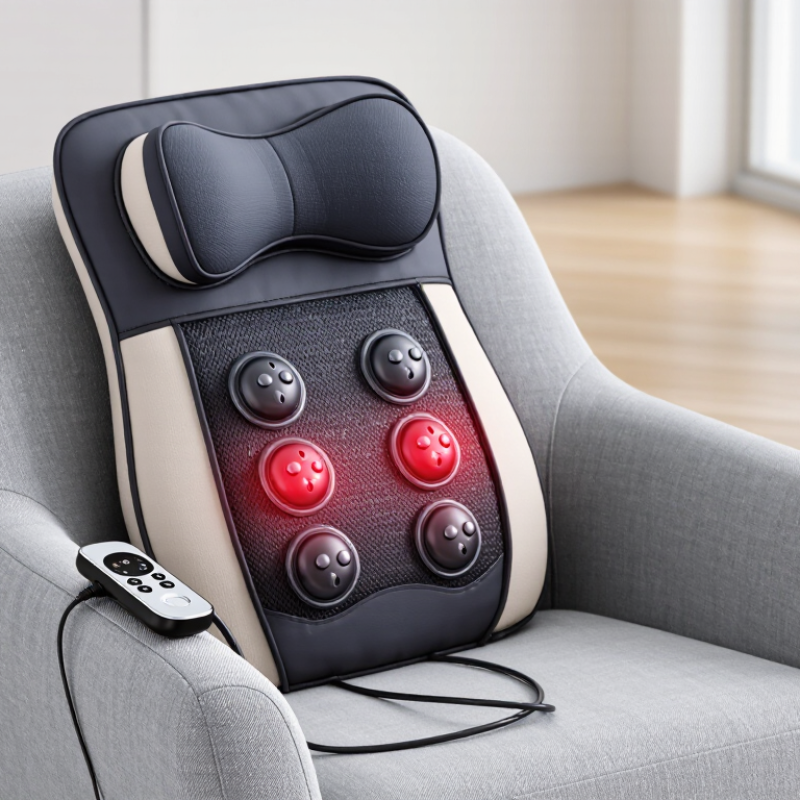
2026 How to Choose a Shiatsu Neck and Back Massager?
The need is larger than many shoppers realize. The World Health Organization reports that 1.71 billion people live with musculoskeletal conditions worldwide. These conditions can affect movement, sleep, work, and simple daily tasks. A stiff neck after computer work feels different from persistent back pain after an injury. Your choice should reflect that difference.
Start by identifying the area needing comfort. A neck-focused device should rest gently around the shoulders without forcing the head forward. For back use, check whether the massage nodes reach the upper, middle, or lower back. Adjustable intensity matters. Begin slowly. Heat may feel soothing, but it can irritate sensitive skin or worsen discomfort for some people. Read the instructions carefully, and avoid using pressure over wounds, swelling, or areas with reduced sensation.
My first mistake was choosing stronger pressure because it felt more professional. It was not always better. A useful session should feel controlled, not punishing. Look for a stable shape, simple controls, washable contact surfaces, and automatic shutoff. These details matter during a ten-minute evening session. People with numbness, unexplained pain, recent surgery, pregnancy-related concerns, or diagnosed conditions should ask a qualified healthcare professional before use. A massager may support relaxation, but it does not diagnose or treat the underlying cause.
| Decision Dimension | Relevant Fact or User Need | What to Look For | Recommended Selection Direction | Safety Boundary |
|---|---|---|---|---|
| Main reason for use | The World Health Organization reports that approximately 1.71 billion people worldwide live with musculoskeletal conditions. | Identify whether the goal is temporary muscle relaxation, post-work recovery, general comfort, or treatment of a diagnosed condition. | Choose a simple comfort-oriented massager for occasional tension; seek professional advice for persistent or diagnosed problems. | A massager should not be presented as a cure or replacement for medical care. |
| Pain location | WHO identifies low back pain as the single leading cause of disability in 160 countries. | Check whether the device supports the upper back, lower back, shoulders, or neck without forcing the body into an awkward position. | Select a back-focused design for broad back tension; select a neck-focused design only if the neck support and angle feel comfortable. | Do not apply strong pressure directly over the front or sides of the neck, the spine, bones, or areas of acute injury. |
| Type of discomfort | Muscle tightness and postural fatigue may feel different from nerve-related pain, joint pain, or injury-related pain. | Look for adjustable pressure, reversible direction, optional heat, and the ability to stop quickly. | For ordinary muscle tension, choose adjustable kneading with low and medium settings rather than fixed high intensity. | Stop if pain becomes sharp, electric, numb, burning, or radiates into an arm or leg. |
| Intensity control | Pressure tolerance differs by person, body area, age, and health status; stronger pressure is not automatically more effective. | Prefer at least three intensity levels, easy-to-reach controls, and a clearly marked power-off button. | Choose the lowest comfortable setting first and increase only when the sensation remains comfortable. | Avoid settings that cause bruising, persistent soreness, dizziness, or worsening symptoms. |
| Heat function | Heat can feel soothing for muscle tightness, but reduced sensation can increase the risk of an unnoticed burn. | Look for moderate temperature control, automatic shut-off, and a removable washable cover where available. | Use heat as an optional comfort feature, not as a requirement for effective massage. | Ask a clinician before using heat if you have reduced sensation, circulation problems, diabetes-related nerve damage, or a heat-sensitive condition. |
| Session length | Longer or more intense sessions can increase soreness and skin irritation. | Choose a model with an automatic timer and clear operating instructions. | Begin with a short, gentle session of approximately 5–10 minutes and evaluate how the body feels afterward; this is a conservative starting suggestion, not a medical standard. | Do not fall asleep while using a powered massager or heat function. |
| Neck design | The neck contains sensitive structures, and an unsuitable angle or excessive pressure may aggravate symptoms. | Check that the device supports the back and sides of the neck without compressing the throat or restricting breathing. | Prefer an ergonomic, height-adjustable design with gentle pressure for first-time users. | Avoid direct pressure on the front of the neck and stop immediately if you feel light-headed, nauseated, or uncomfortable. |
| Health screening | Massage may be unsuitable or require supervision for some medical conditions, including recent surgery, acute injury, bleeding disorders, or vascular problems. | Review the user manual’s contraindications and disclose relevant conditions or medicines to a healthcare professional. | Choose a low-intensity, non-heated option only after professional guidance when health risks are present. | Obtain medical advice before use if pregnant, recovering from surgery, taking anticoagulants, or living with a serious chronic condition. |
| Portability and fit | A device that is difficult to position may encourage excessive force or poor posture during use. | Assess weight, handle position, adjustable straps, cord or battery requirements, and compatibility with the intended chair. | Choose a lightweight handheld model for targeted areas or a supported cushion-style model for seated back use. | Do not use while driving, operating machinery, or in a position that limits balance or movement. |
| When to seek care | Persistent or worsening pain may need assessment rather than repeated self-treatment. | Look for clear instructions advising users when to stop and seek medical help. | Use massage only as a comfort aid when symptoms are mild and do not worsen. | Seek urgent medical care for severe weakness, loss of bladder or bowel control, major trauma, chest pain, or sudden neurological symptoms. |