
China Best Cake Modeling Gummy Candy Supplier?

Choosing a China-based supplier for Cake Modeling Gummy Candy takes more than comparing prices and product photos. Buyers need to assess texture, shape retention, color consistency, and how reliably a supplier can repeat a sample at production scale. A gummy may look perfect on a display cake, then soften under warm lights or lose detail during packing. Small tests matter. Ask for samples in the intended shapes, colors, and packaging. Check them after storage, not just on arrival. A glossy surface is appealing, but it does not prove dependable performance.

For transparency, the specialist and quotation below are fictional, not a verified industry source. Fictional confectionery technologist Lin Wei offers this working principle: “A modelable gummy must hold its details without becoming tough to bite.” Use that idea to guide supplier questions, not as independent evidence. Request clear specifications for firmness, dimensions, shelf life, ingredient options, and quality checks. Ask how the supplier handles color matching and rejects inconsistent pieces. Then compare written answers with physical samples. This guide explores what to look for in a China Cake Modeling Gummy Candy supplier, including production capability, customization, communication, and sample evaluation. No supplier should be selected on promises alone. Real batches can vary, and that deserves a closer look.
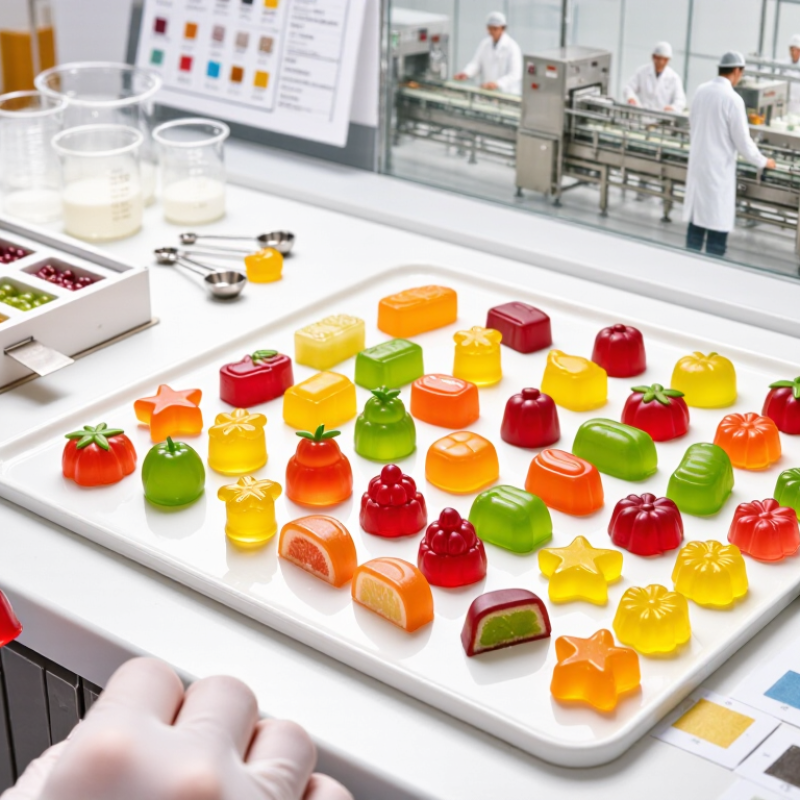
China Best Cake Modeling Gummy Candy Supplier?

What Is Cake Modeling Gummy Candy?

Cake modeling gummy candy is a soft, edible confection designed to be shaped into small decorations. Unlike firm gummy bears, it is usually pliable enough to flatten, roll, or press into simple forms. Its texture may feel slightly tacky, like warm fondant, and it can hold details such as petals, bows, or tiny fruit shapes. Recipes vary, so sweetness, stretch, and firmness are not identical across products.

This candy can add color and playful texture to cakes, cupcakes, and dessert displays. A small piece can become a flower center or a miniature leaf beside frosting. It is not clay. Warm hands may soften it, while cool, dry conditions can make shaping easier. Still, very fine details may sag, especially in a warm room. That detail matters when planning decorations that need to stand upright. Check the product’s ingredient and storage information, and consider possible dietary needs before serving.

Tips: Work with clean, dry hands and shape small portions at a time. If the candy feels sticky, pause and let it cool briefly rather than adding random powders. Keep finished pieces covered until use. I would test one decoration first; texture can surprise you.

What Is Cake Modeling Gummy Candy?

Modeling gummy candy is a pliable confection used to create decorative shapes for cakes. Its ingredients and proportions vary by recipe; the chart shows one illustrative 100 g formulation, not an industry standard.

Example ingredient weights per 100 g batch. Glucose syrup contains water, so the listed water is additional water in this example.

How Cake Modeling Gummy Candy Is Made

Making cake-modeling gummy candy begins with a measured recipe. Sugar, glucose syrup, water, and a gelling ingredient are blended in a heated kettle. Depending on the formula, that ingredient may be gelatin or pectin. The mixture is cooked until it reaches the target consistency, monitored with a calibrated thermometer. Small details matter. Too much heat can affect texture, while uneven mixing may leave streaks of color. Flavor, color, and a food-grade acid are added at controlled stages, since timing can change the final taste.

The warm mixture is deposited into clean molds shaped like flowers, ribbons, or tiny cake decorations. After it sets, workers release each piece and check its edges, surface, and firmness. Drying conditions vary with the recipe and local humidity, so timing is not always identical. It varies. A light coating may help reduce sticking, but too much can dull fine details. Quality checks can include piece weight, appearance, texture, and batch records. The process looks simple. In practice, it isn’t, and small inconsistencies still deserve a closer look.

Key Qualities of a Reliable Chinese Supplier

China Best Cake Modeling Gummy Candy Supplier?

Key Qualities of a Reliable Chinese Supplier

A reliable supplier should understand both gummy production and the demands of cake decoration. Ask how they control shape, color, texture, and weight across each batch. A small sample can reveal whether a gummy holds its form or softens too quickly in a warm room. Request ingredient specifications, allergen details, and recent quality records. Clear answers matter. Vague promises do not. Check whether the supplier can explain its production process and how it handles a batch that misses agreed specifications. Even a careful review cannot predict every issue; packaging and transit conditions can still affect texture.

Tips: Compare samples from different production dates, not just one batch. Confirm shelf-life guidance, storage needs, packaging sizes, and lead times in writing. Keep the first order modest.

Communication is another key quality. A dependable supplier gives realistic updates when artwork, sampling, or production schedules change. Ask who approves color and shape samples, and how revisions are recorded. Photos help, but they cannot fully show chewiness or softness. That part needs a physical sample. Review carton strength and inner wrapping, too; delicate decorations may arrive misshapen after a long journey. A supplier that welcomes specific questions is often easier to work with, though responsiveness should be checked over time, not assumed from one quick reply.

Food Safety and Quality Standards to Check

Choosing a supplier for cake-modeling gummy candy starts with records, not colorful samples.

Request current food-safety certificates and check that their scope covers the actual production site and product type. Ask how ingredients are received, stored, and tracked through each batch. Small details matter. Review ingredient specifications, allergen declarations, and controls for cross-contact, especially where shared equipment is used. Ask for batch-specific test results, including relevant microbiological checks, and confirm that test methods and dates are clear. A certificate alone does not show how consistently a factory follows its procedures.

Check whether the supplier uses documented hygiene controls, staff training, and a traceability system that can identify ingredients and finished batches. Ask for shelf-life data and storage conditions; gummy texture can change with heat and humidity. Packaging should be suitable for food contact and protect the candy during shipping.

Samples can mislead. A single sample may not reflect production variation, so compare multiple batches when practical.

I would also ask how deviations are recorded and corrected, rather than accepting a polished answer without evidence. No checklist can remove every risk, but clear records and candid answers make supplier comparisons more reliable.

How to Compare Suppliers and Place an Order

When comparing cake modeling gummy candy suppliers, look beyond price and product photos. Ask for a current specification sheet covering ingredients, allergens, piece size, texture, storage conditions, and shelf life. For cake decoration, test whether the gummies hold their shape at room temperature and sit neatly on frosting. Request samples from the same product range you plan to order. Check color consistency, surface finish, and whether pieces stick together in the package. Photos can hide small differences.

Compare minimum order quantities, production lead times, packaging options, and delivery estimates in writing. Ask how the supplier checks batches and handles damaged or inconsistent goods. Review relevant food-safety documents, and confirm that their scope matches the products you are buying. Do not rely on a certificate image alone; verify its issuer and validity where possible. A low quote may leave out sample fees or special packaging. Read every line.

Tips: Send a short order brief with target quantity, preferred colors, delivery date, and packaging needs. Confirm the final sample and written specifications before paying. Start with a modest trial order if practical. Keep one sample and the order details for comparison when the next batch arrives. Even careful checks cannot prevent every variation, so allow some flexibility in appearance.

China Best Cake Modeling Gummy Candy Supplier? - How to Compare Suppliers and Place an Order

Comparison Area What to Compare Evidence to Request Before Ordering Practical Check
Product specification Gummy shape and dimensions, target weight, color, flavor, texture, and whether the candy must hold its shape on a cake. A written specification sheet and samples made to the proposed specification. Compare samples under the intended storage and serving conditions; agree on measurable acceptance criteria.
Ingredients and allergens Gelatin, pectin, or other gelling agents; sweeteners; colors; flavors; and any relevant allergens or animal-derived ingredients. Full ingredient statement, allergen information, and the supplier’s process for notifying buyers about formulation changes. Check the ingredient and allergen requirements for the destination market and intended customer group.
Food safety and traceability Documented food-safety controls, batch identification, traceability, and procedures for handling nonconforming products. Current certificates or audit documents where available, sample batch records, and written traceability and complaint procedures. Verify the issuing organization and validity of any certificate; a certificate alone does not replace product-specific checks.
Quality documents Specifications for each batch, testing arrangements, and the product limits relevant to the buyer’s requirements. A sample Certificate of Analysis (COA), product specification, and details of which tests are performed and how often. Confirm that the COA corresponds to the product and batch being purchased; agree on required tests in writing.
Packaging and shelf life Individual wrapping or bulk packing, moisture protection, case configuration, storage instructions, and shelf-life basis. Packaging specifications, draft label information, storage conditions, and supporting shelf-life documentation. Check packaging suitability for shipping and cake use. Confirm that label content meets destination-market rules.
Customization capability Available shapes, colors, flavors, sizes, packaging options, and any tooling or setup requirements. Written confirmation of what is customized, any setup or tooling charges, sample-approval steps, and ownership terms for custom tooling. Approve a pre-production sample or signed specification before authorizing a custom production run.
MOQ and production schedule Minimum order quantity (MOQ), production lead time, sample lead time, and capacity for repeat orders. A dated quotation stating MOQ and estimated timelines for samples, production, and dispatch. These terms vary by product and supplier; compare written quotations for the same specification and order quantity.
Price and trade terms Unit price, sample charges, packaging costs, tooling fees, payment schedule, shipping costs, and applicable trade terms. A detailed quotation that identifies included and excluded costs and states the named delivery place or port for the quoted trade term. Compare total landed cost, not unit price alone. Confirm currency, quotation validity, and responsibility for freight, insurance, and import charges.
Sample and order approval Sample cost, sample quantity, approval method, and how approved specifications will be linked to the production order. Sample invoice or order record, final specification, packaging artwork, and written approval record. Keep the approved sample and signed specification as references for inspection of the delivered goods.
Pre-shipment checks Inspection timing, quantity verification, packaging condition, labeling, and the process for addressing defects. Written inspection criteria, inspection report if applicable, final packing list, and batch documents. Agree on inspection requirements before production; do not rely only on photographs if physical inspection is required.
Placing the order Final product details, quantity, price, delivery terms, payment milestones, production dates, and required documents. A formal purchase order or sales contract with the approved specification and all agreed terms attached. Review every detail before payment or production authorization, including delivery address, labeling, and document requirements.

Ordering note: MOQ, pricing, production time, documentation, and import requirements depend on the product, supplier, and destination market. Obtain current written quotations and verify applicable food and labeling rules before placing an order.