
China Best Zinc Alloy Metal Key Chains Supplier?

Choosing a supplier for Zinc Alloy Metal Key Chains in China takes more than comparing product photos and unit prices. Buyers should check how a factory handles design files, mold development, surface finishing, logo placement, and packaging. Small details matter. A logo can look sharp on a sample yet appear faint or uneven across a larger production run. Ask for a physical sample and confirm its dimensions, weight, color, and finish before approving an order.

A reliable supplier should explain material options, minimum order quantities, production timelines, and quality checks in clear terms. Request recent product examples and details about inspection procedures, rather than relying on broad claims. If you need custom shapes, ask how mold costs and revisions are handled. That step can reveal practical limits early. Communication also matters when specifications change or a shipment faces delays. No single checklist guarantees a smooth order, and supplier websites may leave important questions unanswered. This guide explores how to assess manufacturers, compare quotations, review samples, and identify warning signs without treating the lowest price as the best value. Careful verification takes time, but it can reduce avoidable surprises.
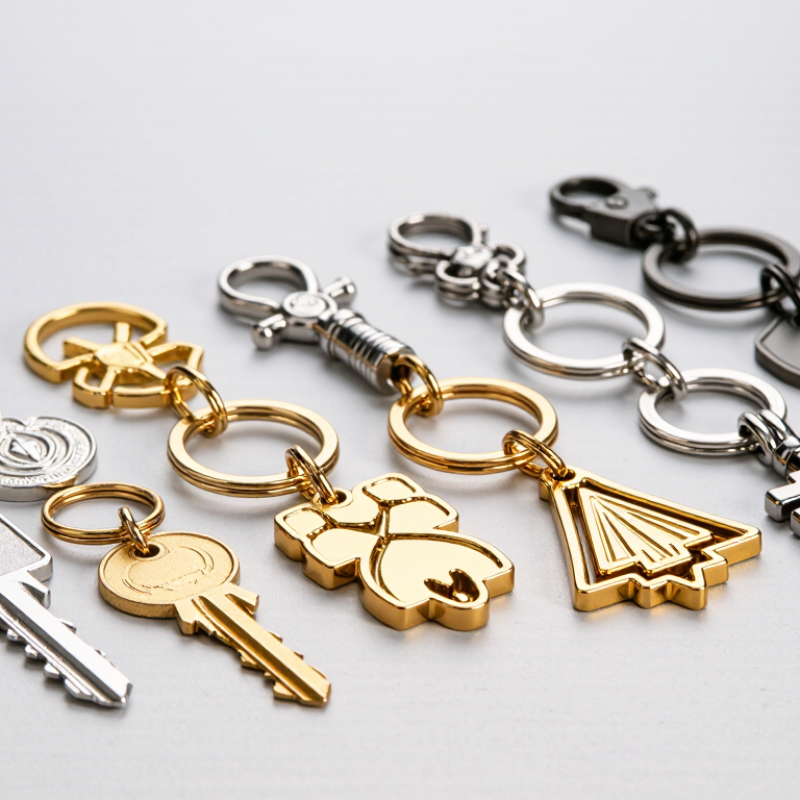
China Best Zinc Alloy Metal Key Chains Supplier?

What Zinc Alloy Metal Key Chains Are and How They Are Made

Zinc alloy metal key chains are small, custom-shaped accessories made from a metal blend, often using zinc as its main component. The material flows well into detailed molds, making raised lettering, borders, and compact emblems possible. It also feels heavier than many plastic alternatives. That weight can make a key chain feel solid, though it may not suit every design.

Production usually starts with a drawing or digital model. A metal mold is prepared, and molten zinc alloy is injected under pressure to form the basic shape. After cooling, workers remove excess metal and smooth rough edges. The piece is then polished or textured before a surface finish is applied. Plating can change its color and appearance; enamel may add colored details. Small variations can occur, especially around fine edges.

Quality checks matter. A useful inspection looks at the finish, attachment ring, sharp edges, and consistency between pieces. A polished sample can still hide problems that appear during larger production runs. I would ask how samples are approved and how defects are handled. These questions are easy to overlook. They help buyers compare suppliers based on process, not just appearance. A good key chain should look clear, feel comfortable in the hand, and keep its design details after ordinary use.

Zinc Alloy Key Chains: Zamak 3 Composition

Typical specified ranges for two alloying elements in Zamak 3, a zinc alloy commonly used for die-cast parts.

Values are weight percentages; the horizontal axis is logarithmic so both ranges can be seen clearly. Zinc makes up the balance of the alloy. For a key chain, the alloy is typically melted and injected into a steel die, then the casting is trimmed, finished, and assembled with a ring or other hardware.

Common Designs, Finishes, and Customization Options

China Best Zinc Alloy Metal Key Chains Supplier?

Common Designs, Finishes, and Customization Options

Zinc alloy key chains commonly use flat tags, raised emblems, or compact 3D shapes. Die casting can capture fine edges and recessed lettering. The USGS Mineral Commodity Summaries 2024 estimated global zinc mine production at about 12 million metric tons in 2023. That figure describes raw material supply, not finished key-chain production, so it cannot confirm a supplier’s capacity or quality.

Finish choices include bright nickel, antique brass, black nickel, and gold-tone plating. A mirror finish looks sharp under shop lighting, but fingerprints and scratches show quickly. Matte or brushed surfaces can be more forgiving.

For a physical sample, inspect the color across edges and recesses; thin plating may look uneven there. Small details matter.

Customization can include enamel color fills, laser-engraved names, back-side text, or a protective epoxy dome. Share artwork as vector files and confirm dimensions, ring style, and attachment position before tooling. Ask for plating specifications and test conditions, not just a broad “corrosion-resistant” claim. One practical limitation: very tiny lettering may fill in during casting or finishing, so simplify it before approval.

Key Quality Factors in Zinc Alloy Key Chains

A reliable zinc alloy key chain begins with consistent casting. Ask the supplier how they control alloy composition and inspect each production batch. Uneven composition may lead to brittle details or inconsistent weight. Check the sample under bright light. Look for pits, rough edges, thin lettering, and small gaps around raised designs. Small details matter. Plated finishes should look even around corners and recessed areas, where coverage can be harder to maintain. Ask how the surface is cleaned before plating, since preparation affects adhesion.

Durability also depends on the connection points. Open and close the split ring several times, then check whether it springs back without bending. Pull the chain and decorative piece gently in different directions; loose joints can reveal weak assembly. Ask for sample measurements and compare them with the approved design, especially for thickness and hole placement. Packaging deserves attention too. Metal pieces can rub against one another during shipping, leaving fine scratches. A sample may look excellent while a larger batch varies slightly, so request clear inspection criteria and keep an approved reference piece. Perfect consistency is difficult. That is worth discussing early.

China Best Zinc Alloy Metal Key Chains Supplier? - Key Quality Factors in Zinc Alloy Key Chains
Quality Factor What to Check Practical Quality Criteria Why It Matters
Alloy and material traceability Confirm the zinc alloy grade and request material or production records for the ordered batch. Zinc alloys commonly contain zinc with aluminum and smaller amounts of other elements. The specified grade should be documented; appearance alone cannot verify composition. Consistent material supports repeatable casting, finishing, and product performance.
Casting integrity Inspect cast surfaces and edges for cracks, cold shuts, excessive porosity, incomplete details, and loose flash. Check finished samples against the approved reference and drawing. Reject defects that affect appearance, strength, fit, or safe handling. Casting defects can weaken attachment points and become more visible after polishing or plating.
Dimensions and fit Measure the overall size, thickness, hole positions, and any parts that must fit together. Use the approved technical drawing for dimensions and tolerances. There is no single tolerance that applies to every key-chain design. Accurate dimensions help ensure components assemble correctly and match the approved design.
Surface preparation Check polishing, deburring, recessed details, and areas that may be difficult to plate evenly. Finished surfaces should be free from sharp burrs and visible polishing marks that are unacceptable under the agreed inspection conditions. Surface preparation affects appearance, handling comfort, and the quality of the final coating.
Plating or coating Confirm the specified finish, coating sequence, coverage, and inspection method. Decorative finishes may use different coating systems, such as copper, nickel, or chrome layers. Specify the required system and thickness rather than assuming one universal specification. Clear requirements reduce variation in color, coverage, and wear resistance.
Corrosion resistance Agree on the test method, exposure duration, and acceptance criteria before production. ASTM B117 describes a neutral salt-spray test method; it does not set one pass/fail duration for every product. The buyer and supplier should define the required result for the intended finish and use. A defined test plan makes corrosion performance measurable and comparable.
Finish adhesion Check whether the coating remains intact after an agreed adhesion test and normal handling simulation. Select a suitable test method and acceptance level for the coating system. Test requirements should be agreed in the product specification. Poor adhesion can lead to peeling, flaking, or exposed base metal.
Color consistency Compare production pieces with an approved color sample under consistent lighting. Set an acceptable color range or instrumental color-difference limit when close color matching is important. Consistent color helps maintain a uniform appearance across a production batch.
Ring and attachment strength Inspect jump rings, loops, chains, and joints for secure closure and adequate movement. Set a pull-test load and acceptance criteria based on the design and intended use; no single load applies to every key chain. Secure attachments reduce the risk of the key ring or decorative part separating in use.
Safety and market requirements Review sharp edges, small components, and any requirements relevant to skin contact or the destination market. Where applicable, assess nickel release using the relevant requirements and test methods, such as EN 1811 for products within its scope. Market-specific checks help address user safety and applicable compliance obligations.
Inspection and batch acceptance Agree on sample approval, inspection stages, defect classifications, and the sampling plan. Document inspection criteria before mass production; use a mutually agreed sampling plan, such as an AQL-based plan, where appropriate. Clear acceptance rules help identify issues consistently before shipment.

Test limits and acceptance criteria should be agreed for the specific design, finish, intended use, and destination market.

How to Evaluate a Chinese Key Chain Supplier

China Best Zinc Alloy Metal Key Chains Supplier?

How to Evaluate a Chinese Key Chain Supplier

For zinc alloy key chains, assess production control, not just polished catalog photos. Ask for alloy specifications, plating details, and recent inspection records. Check sharp edges, lettering depth, clasp movement, and coating wear around the split ring. Request a pre-production sample, then compare it with the approved sample. Small differences matter.

The World Bank’s 2023 Logistics Performance Index compares 139 economies across six dimensions, including shipment tracking and timeliness. It is not a factory audit, but it offers useful questions: Can the supplier provide dated production updates, clear shipping estimates, and records of past delivery performance? Ask how defects are handled, too. A quick reply is helpful, but documented answers are better.

For finish checks, agree on measurable acceptance criteria before production. You might specify color tolerance, surface defects, and logo placement. For corrosion resistance, discuss a suitable test method, such as ISO 9227, and agree on exposure conditions; test results depend on them. Inspect samples from the actual production batch when possible. A sample can still mislead. I would not skip this step, even when the deadline feels tight.

Ordering, Production, and Quality Control in China

China Best Zinc Alloy Metal Key Chains Supplier? Ordering, Production, and Quality Control in China

A reliable order starts with a precise brief: artwork, dimensions, weight, alloy grade, finish, attachment type, packaging, and target delivery date. The USGS Mineral Commodity Summaries 2024 estimated global zinc mine production at about 12 million metric tons in 2023. That scale supports a broad raw-material supply, but it does not ensure consistent alloy chemistry between batches. Request material documentation and approve a physical pre-production sample before confirming bulk production. Put tolerances, color references, inspection stages, and shipment terms in the purchase order.

During production, die-casting creates the key-chain body; trimming, polishing, plating, and assembly follow. Ask the factory how it checks dimensions and surface defects at each stage. X-ray fluorescence testing can help verify alloy composition, while agreed plating tests can assess coating adhesion and corrosion resistance. Define acceptable limits before inspection, rather than relying on “good quality.” A polished sample can still hide variation in later batches; this is an easy risk to underestimate. Keep dated sample records and review inspection photos alongside measurements.

Tips: Confirm artwork and packaging proofs in writing. Ask for a pilot run when the design is new. Set a clear inspection date, and keep a small allowance for rework or shipping delays.