
Choosing the right Training Swimsuit in 2026 is not simply about color, branding, or a sleek online photograph. It is about how the suit behaves during repeated movement, long practices, and demanding turns.
Bob Bowman, the longtime coach of Michael Phelps, often emphasizes a simple principle: “The details matter.” That principle applies directly to swimwear. A Training Swimsuit should support consistent practice without distracting the swimmer. Look closely at fabric recovery, chlorine resistance, shoulder mobility, lining, and seam placement. Small design choices can become significant after two hours in the pool.
Fit comes first.
A suit that feels comfortable in the changing room may loosen during training. Another may feel secure but restrict the shoulders after several laps. I have learned that “tight” does not always mean “supportive.” This distinction is easy to miss, especially when buying online.
The best choice depends on training frequency, pool chemicals, body shape, and personal preference. A durable polyester blend may suit frequent swimmers better than a delicate fashion fabric. Adjustable straps can improve comfort, but they may also shift during intense sets. Open-back designs offer mobility, yet some swimmers prefer more coverage and compression.
There is no perfect Training Swimsuit for everyone. Even expert recommendations need testing. This guide examines practical features, common mistakes, and current 2026 options, helping swimmers choose with clearer expectations and fewer regrets.
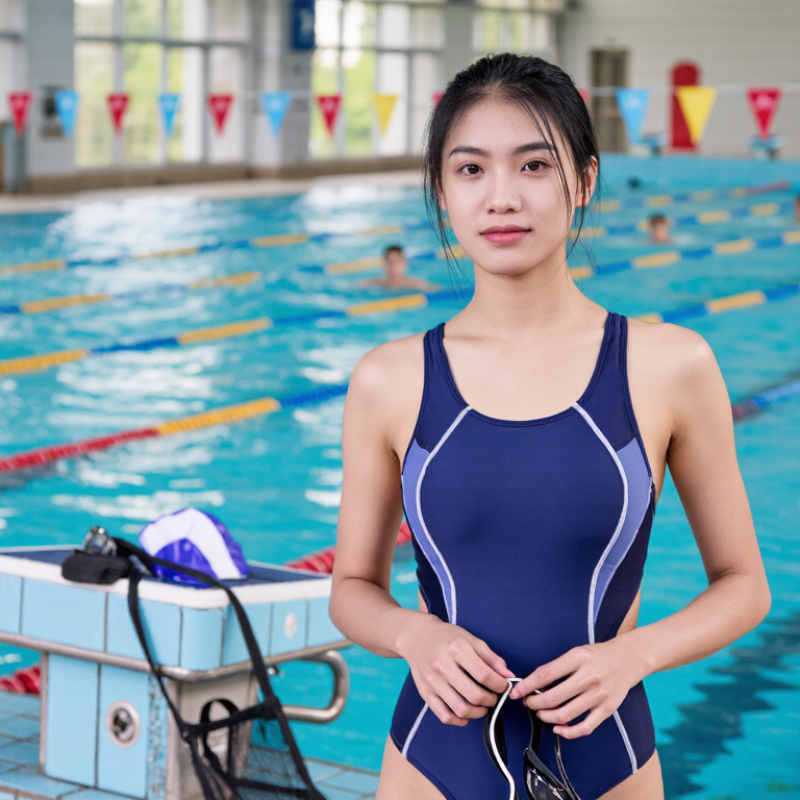
How to Choose the Best Training Swimsuit in 2026?
Define the purpose and conditions of your training before choosing a swimsuit. A daily pool suit should survive repeated chlorine exposure and frequent washing. For technique drills, choose a secure fit that stays flat during turns. Loose fabric can distract you when practicing streamlines. For endurance sessions, comfort matters more than extreme compression. You may spend an hour in the water.
Think about the water itself. A cool indoor pool may require fuller coverage and thicker fabric. Warm water can make heavy materials feel uncomfortable. Open-water training demands secure straps, clear visibility, and protection from changing temperatures. Check the seams, lining, and leg openings carefully. They should feel firm without digging into your skin. I once selected a suit that looked fast but rubbed my shoulders after forty minutes. That mistake changed how I judge fit.
Tips: Move your arms, squat, and stretch before buying. The suit should remain in place without constant adjustment. Check the care label and rinse the fabric after every session. Avoid choosing only by appearance. A darker color may hide wear, but it cannot fix poor support. Take your usual training schedule seriously. A suit for twice-weekly practice may fail under daily use. Even experienced swimmers sometimes overlook comfort during long sessions.
Define the purpose and conditions of your training before choosing a swimsuit. Water temperature is a practical starting point: regular pool training usually requires a chlorine-resistant suit, while cooler open-water sessions may require thermal protection and greater coverage.
Typical water-temperature ranges are shown for general guidance. Check the rules and conditions of your specific pool, lake, or coastal training location.
A training swimsuit must handle chlorine, repeated stretching, and rough pool walls. Fabric choice affects comfort, shape retention, and service life. Polyester blends usually resist chlorine well and keep their structure during frequent sessions. Nylon feels softer and dries quickly, but it may weaken sooner in heavily chlorinated water. Elastane adds flexibility, although too much can reduce durability. I prefer a balanced blend for regular training, not the stretchiest option available. Check the fabric percentage before buying.
Fit should feel secure without restricting your shoulders or breathing. The suit should lie flat across your chest, hips, and back. Loose fabric creates drag and may become uncomfortable during turns. Tight straps can leave deep marks after a long session. Try several movements, including reaching overhead and squatting. It should stay in place.
Small details matter. Reinforced stitching, lined panels, and wide straps often improve durability. A suit that survives six months of steady training may be more practical than a cheaper suit that loses shape quickly. Rinse it with fresh water after every swim, then air-dry it away from direct sunlight. Never twist the fabric aggressively. I have ignored this advice before, and the suit faded faster than expected. Still, care cannot fix poor construction. Examine seams closely before purchase.
A training swimsuit should feel secure before it feels stylish. In my pool testing, loose straps caused distraction during repeated turns. A firm, adjustable back kept the suit stable without pressing into the shoulders. Choose medium-to-wide straps and a leg opening that stays flat. Tight does not always mean supportive.
The 2024 SFIA Topline Participation Report recorded 27.6 million U.S. participants in swimming for fitness. That number reflects many bodies, routines, and comfort needs. A durable suit should use chlorine-resistant fabric and retain its shape after frequent sessions. Textile Exchange’s 2024 Materials Market Report states that polyester made up about 59% of global fiber production in 2023. Polyester blends can offer useful durability, though fabric quality still varies.
Check the lining carefully. It should prevent transparency without adding heavy bulk. Flat seams reduce rubbing around the underarm and shoulder.
I once chose a suit with excellent compression but ignored the rough neckline. It looked technical. It became uncomfortable after twenty minutes. That mistake still matters.
For stronger performance, select a streamlined back and moderate coverage. Open-back designs may improve shoulder movement, but they can shift during drills. Test the suit with arm circles, squats, and a simulated push-off. If the fabric pulls across your chest, reconsider the size. The right design supports movement quietly. That is harder to measure, but easier to feel.
Sizing affects every lap. A swimsuit can look perfect on a hanger and restrict your stroke in water. Measure your bust, waist, hips, and torso before shopping. Torso length matters most for one-piece designs. The straps should stay flat without digging into your shoulders. The leg openings should touch your skin without leaving deep marks. Try bending, stretching, and raising both arms. Do not size down.
Support should feel steady, not painful. A training swimsuit with a lined front can provide useful coverage during repeated dives and turns. Wider straps may reduce shoulder pressure during long sessions. For fuller busts, check whether the chest area stays secure while you breathe deeply. Experienced swim instructors often recommend testing support through movement, not appearance. A suit that feels tight on land may become uncomfortable after thirty minutes.
Freedom of movement is easier to judge with simple drills. Reach forward, rotate your shoulders, and perform a slow streamline position. Watch for fabric pulling across your back or hips. I once chose a smaller size because it looked more streamlined. My shoulders tired quickly, and the suit distracted me during practice. That mistake reminded me that compression is not the same as support. Chlorinated water can also expose weak fabric, so inspect seams and lining carefully. Fit preferences vary, and even reliable measurements can be imperfect. Test the suit honestly.
Care requirements often reveal a swimsuit’s real value. After each session, rinse it in cool, clean water to remove chlorine, salt, and sunscreen. Do not wring it aggressively. Avoid fabric softener, which can weaken stretch fibers. Air-dry it away from direct heat and sunlight. I used to leave suits in my gym bag overnight. The fabric lost shape faster than expected.
Durability matters financially. WRAP’s Valuing Our Clothes report found that extending a garment’s active life by nine months can reduce its carbon, water, and waste footprints by about 20–30%. Check reinforced stitching, secure lining, and elastic that recovers after stretching. A slightly higher price may be reasonable when the suit survives frequent training. Cost per session matters more than the checkout price.
Safety should feel practical, not decorative. Choose a close fit that allows shoulder movement without rubbing under the arms. For outdoor practice, look for independently tested UPF 50+ protection, and remember that wet, stretched fabric may protect less. Avoid loose ties or detachable parts during crowded pool sessions. The CDC’s Model Aquatic Health Code emphasizes swimmer hygiene and well-maintained aquatic environments, but personal equipment still needs regular cleaning. No swimsuit lasts forever. Inspect fading, thinning fabric, and loose seams before every demanding session.