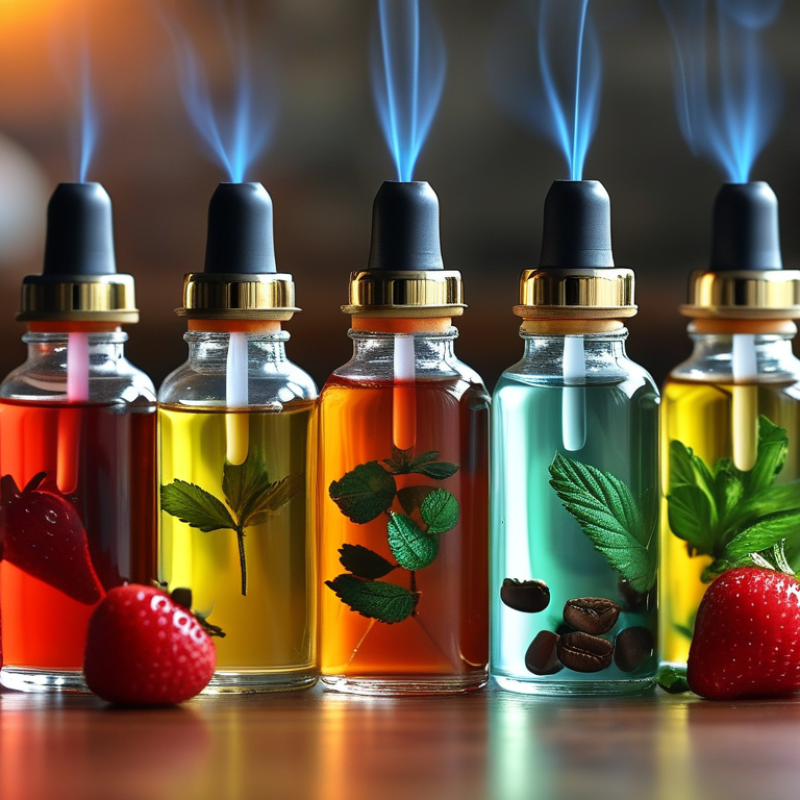
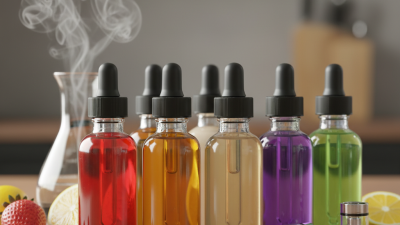
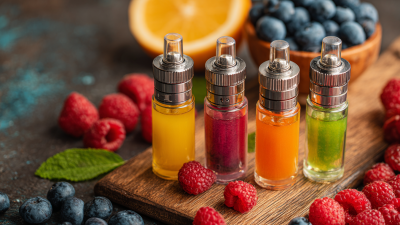
E Liquid Flavoring is the concentrated aroma component used to give e-liquid its recognizable taste and scent. It may create notes of strawberry, mint, tobacco, coffee, or warm bakery spice. Manufacturers usually combine small amounts with a carrier base, such as propylene glycol or vegetable glycerin. The finished product must follow applicable safety, labeling, and manufacturing requirements.
Dr. Konstantinos Farsalinos, a physician and e-cigarette researcher, has warned: “Flavorings are not innocuous when inhaled.” This statement deserves attention. A flavoring approved for food is not automatically proven safe for inhalation. The lungs are different from the digestive system. That distinction is easy to miss.
In professional production, E Liquid Flavoring is selected through ingredient review, supplier documentation, batch testing, and controlled mixing. Responsible manufacturers check purity, consistency, contamination risks, and restricted substances. They also avoid making unsupported health claims. A pleasant smell does not prove a safe product. A familiar food flavor does not provide the same safety profile when aerosolized.
Consumers should read ingredient information and purchase only from transparent, legally compliant suppliers. They should never use undiluted concentrates or household flavor extracts. Some materials may change when heated, and the available evidence remains incomplete. That uncertainty matters. Even experts continue to study how individual compounds behave in aerosols over time.
The subject is more complicated than “good taste equals good choice.” E Liquid Flavoring can improve sensory consistency, but its responsible use depends on formulation discipline, credible testing, and honest communication. There are still gaps in knowledge, and acknowledging them is part of reliable industry practice.
E-liquid flavoring is a concentrated blend of aroma chemicals added to a base liquid. The base usually contains propylene glycol, vegetable glycerin, or both. Some formulas also contain nicotine, depending on the legal product and local regulations. Flavoring creates notes such as fruit, mint, cream, spice, or tobacco. It does not create vapor by itself.
Manufacturers use small, measured amounts during production. The flavor concentrate is diluted into the base, then tested for consistency, appearance, and contamination. Food-grade status alone does not prove inhalation safety. That distinction matters. The respiratory system is not the digestive system, and evidence remains incomplete for many compounds after heating.
A 2023 FDA and CDC National Youth Tobacco Survey reported that 89.4% of current youth e-cigarette users used flavored products. This finding shows flavor’s strong sensory appeal, not that flavors are harmless.
The World Health Organization also identifies flavors as a factor that can increase product attractiveness, especially among younger people. In practice, responsible formulation requires ingredient records, controlled concentrations, and testing under realistic heating conditions.
Labels can look reassuring. They are not enough. Consumer understanding also remains uneven, and that gap deserves more attention.
E-liquid flavoring is a concentrated blend designed to add taste and aroma. It is usually mixed into a base liquid rather than used alone. That distinction matters. Common flavoring ingredients include natural extracts and chemically produced flavor compounds. These may create notes such as fruit, mint, spice, or dessert.
The flavor compounds are often carried by propylene glycol, vegetable glycerin, alcohol, or purified water. Some formulas also contain cooling agents, acids, or sweetening substances. Their amounts can be very small. Small amounts matter. A minor change may affect sweetness, sharpness, throat sensation, or cloud density.
In professional formulation, each ingredient should have a clear identity and reliable documentation. Safety data sheets, certificates of analysis, and batch records can help confirm purity and consistency. However, “food-grade” does not automatically mean safe for inhalation. The body may respond differently when a substance is heated and inhaled. This point is sometimes overlooked.
Flavorings should be evaluated for intended use, heating behavior, and local regulatory requirements. Labels may list broad flavor categories without revealing every compound. That can leave questions. Responsible manufacturers should provide accurate ingredient information and avoid unsupported health claims. Consumers should also remember that a pleasant flavor does not prove that a product is harmless.
E-liquid flavoring is a concentrated ingredient that gives vape juice its taste and aroma. It may create notes of fruit, mint, dessert, or tobacco. However, a pleasant food flavor is not automatically suitable for inhalation. Reliable manufacturers select ingredients intended for e-liquid use and provide technical handling guidance.
E-liquid flavoring is usually added during blending. A trained mixer measures the concentrate carefully, often by weight, then combines it with a base made from propylene glycol, vegetable glycerin, or both. The mixture needs slow stirring to distribute the flavor evenly. Small changes matter. A little extra concentrate can make the liquid harsh, overly sweet, or unpleasant.
I once assumed more flavor would produce a stronger and better result. That assumption was wrong. Flavor strength depends on the formula, base ratio, and steeping time. After mixing, some liquids rest in a sealed, clearly labeled container so the ingredients can settle and develop. This process should follow supplier instructions, with clean equipment and accurate records.
Never add essential oils or unverified household ingredients. “Food grade” does not prove inhalation safety. Anyone preparing e-liquid should check current local requirements, use suitable protective equipment, and avoid ingredients with unclear documentation. The safest approach is measured, documented, and cautious.
Flavor concentration strongly shapes the final character of an e-liquid. Flavoring is usually a concentrated mixture designed to dissolve into a suitable base. A small percentage can create a light, clean taste. A higher percentage may add richness, but it can also make the profile harsh or overly sweet. Small changes matter.
The correct level depends on the flavor type, base ratio, and intended strength. A fruit note may feel bright at 4%, while a dessert profile might need more depth. However, more flavor does not always mean better flavor. Excess concentrate can mute delicate notes and leave a heavy aftertaste. Propylene glycol can carry flavor clearly, while vegetable glycerin may soften the impression. Steeping can also change the result. Some blends become smoother after resting, but not every mixture improves.
I recommend making small test batches and recording each percentage by weight. Use precise scales rather than relying on drops, because drop sizes vary between bottles. Taste only as directed by the product’s safety information. Keep concentrates sealed, labeled, and away from children and pets. My own testing has taught me to change one variable at a time. I still sometimes increase flavor too quickly. That mistake can hide the original balance, making correction harder. A simple tasting note, such as “bright but thin” or “rich and dull,” often reveals more than a higher percentage.
E-liquid flavoring is a concentrated ingredient used to create tastes such as fruit, mint, or dessert notes. It is usually blended with a suitable base before use. The concentration must follow reliable technical guidance. More flavor does not always mean a better result.
Safety begins with the ingredient list. A flavoring approved for food may not be suitable for inhalation. That distinction is easy to overlook. Check the supplier’s safety data sheet and intended-use information before handling it. Avoid unverified additives, essential oils, and oil-based ingredients. They may behave differently when heated. Use clean equipment, gloves, and good ventilation. Keep bottles closed, clearly labelled, and away from children, pets, heat, and direct sunlight.
Accurate measurement matters. A small drop can change the final concentration. Use dedicated syringes or calibrated tools, rather than estimating by eye. Do not mix ingredients in kitchen containers. Wash exposed skin promptly with soap and water. If the liquid enters the eyes, rinse carefully and seek medical advice if irritation continues. Stop using a mixture if it develops an unusual smell, separates unexpectedly, or causes coughing, chest discomfort, dizziness, or skin reactions. It is tempting to trust a familiar recipe, but conditions and ingredients can vary. When documentation is unclear, not using the flavoring is the safer decision.
A practical reference for understanding flavoring types, intended use, exposure concerns, and safer handling practices
| Data Dimension | Key Information | Typical Use or Relevance | Main Safety Consideration | Recommended Practice | Risk Indicator |
|---|---|---|---|---|---|
| Definition | E-liquid flavoring is a concentrated mixture used to provide taste and aroma in vaping liquid. | It may contribute fruit, dessert, beverage, mint, tobacco-style, or other sensory notes. | Flavorings made for food are not automatically proven safe to inhale after heating. | Use only materials specifically assessed and supplied for the intended application; do not assume food-use approval equals inhalation safety. | Use caution |
| Common E-Liquid Components | Most e-liquids contain a base of propylene glycol (PG), vegetable glycerin (VG), flavoring, and sometimes nicotine. | PG generally carries flavor efficiently, while VG contributes vapor density and sweetness. | Heating can alter ingredients and generate additional chemicals, depending on temperature, device power, and liquid composition. | Follow the liquid and device instructions, avoid overheating, and stop using a liquid if it tastes burnt or unusually harsh. | Use caution |
| Flavor Concentration | Flavor concentrates are normally diluted into a finished e-liquid; the appropriate percentage depends on the formulation and supplier instructions. | Concentration affects taste intensity, throat sensation, and the total amount of flavoring aerosolized. | Using more flavoring does not necessarily improve the product and may increase irritation or unwanted chemical exposure. | Measure accurately, make small test batches, and never exceed the documented formulation range. | Use caution |
| Food-Grade Label | “Food grade” generally indicates suitability for ingestion under specified conditions. | It may describe an ingredient’s manufacturing or food-use status. | Inhalation is a different exposure route. The lungs do not process substances in the same way as the digestive system. | Do not use a food-grade label as the only evidence of inhalation suitability. | Higher concern |
| Oil-Based Ingredients | Oil-based flavorings, essential oils, and other lipid-containing materials are not interchangeable with water-soluble flavor concentrates. | They may be found in culinary or aromatherapy products rather than inhalation formulations. | Inhalation of oily substances can irritate the lungs and may be associated with serious respiratory harm, including lipoid pneumonia. | Do not add cooking oils, essential oils, vitamin E acetate, or oil-based extracts to e-liquid. | Avoid |
| Diacetyl and Related Compounds | Some buttery or creamy flavor profiles have historically involved compounds such as diacetyl or related diketones. | They can provide buttery, creamy, or custard-like sensory characteristics. | Occupational inhalation exposure to diacetyl has been linked to severe and irreversible lung disease; the risk from consumer vaping exposure is difficult to quantify. | Check current ingredient and safety documentation where available and avoid formulations with undisclosed flavoring chemicals. | Higher concern |
| Cinnamon and Spicy Profiles | Cinnamon and other spicy flavor profiles may contain aromatic aldehydes or similarly reactive flavoring substances. | They are used to create cinnamon, clove, spice, and warming sensations. | These ingredients may cause throat and airway irritation, especially at higher concentrations or with frequent exposure. | Use conservative concentrations, monitor for coughing or chest discomfort, and discontinue use if irritation occurs. | Use caution |
| Sweeteners | Sweeteners may be added to increase perceived sweetness, but some can contribute to residue or deposits when heated. | They are often used in dessert, candy, and beverage-style profiles. | Thermal decomposition products and coil buildup can vary with device temperature and formulation. | Use only the minimum amount required by a validated formulation and replace coils when residue or burnt taste develops. | Use caution |
| Heating Conditions | Aerosol composition depends on coil temperature, power, airflow, liquid supply, and the PG-to-VG ratio. | Higher power can increase aerosol production but may also increase thermal degradation when the coil is overheated or poorly saturated. | Dry or overheated coils may produce harsh aerosol and unwanted degradation products. | Use the recommended power range, keep the coil saturated, maintain adequate liquid supply, and avoid repeated dry puffs. | Use caution |
| Nicotine Interaction | Flavoring is separate from nicotine, but finished e-liquid may contain nicotine in different concentrations. | Flavoring can make nicotine-containing liquid more palatable and may influence how much a person uses. | Nicotine is addictive and can be toxic if swallowed, inhaled in excessive amounts, or absorbed through the skin. | Keep nicotine-containing liquids away from children and pets, use protective gloves when handling concentrates, and follow the labeled concentration. | Higher concern |
| Accidental Exposure | Liquid can enter the body through swallowing, skin contact, eye contact, or inhalation of concentrated vapors. | Risk is greatest during mixing, transferring, filling, or storing e-liquid. | Nicotine-containing liquids can cause poisoning symptoms, including nausea, vomiting, dizziness, tremors, or rapid heartbeat. | Use child-resistant storage, clearly labeled containers, closed bottles, eye protection, and absorbent materials for spills; seek urgent medical advice after suspected poisoning. | Higher concern |
| Allergic or Sensitivity Reactions | Some people may experience sensitivity to flavoring ingredients, PG, or other formulation components. | Possible symptoms include sore throat, coughing, headache, skin irritation, wheezing, or breathing discomfort. | Symptoms may be confused with ordinary vaping irritation or another health condition. | Stop exposure if symptoms occur and consult a qualified healthcare professional, particularly for wheezing, swelling, or difficulty breathing. | Monitor closely |
| Ingredient Transparency | A complete ingredient list and reliable safety documentation help identify potential hazards. | Documentation should describe the flavoring composition, intended use, storage conditions, and handling precautions. | Undisclosed or inaccurately labeled ingredients make risk assessment difficult. | Prefer products with batch information, ingredient disclosure, safety data, and testing appropriate to the intended market. | Recommended |
| Mixing Environment | Preparation should take place in a clean, ventilated area away from food, children, pets, and ignition sources. | Good environmental controls reduce accidental contact, contamination, and inhalation of concentrated vapors. | Improper ventilation or household mixing can increase exposure and spill-related risks. | Use a dedicated work surface, wash hands after handling, clean spills promptly, and avoid mixing near food-preparation areas. | Recommended |
| Storage Stability | Flavor concentrates and finished e-liquids can be affected by heat, light, oxygen, and time. | Degradation may change color, aroma, taste, or chemical composition. | Old, contaminated, or degraded liquids may provide unpredictable exposure. | Store tightly closed in a cool, dark place according to the supplier’s instructions and discard liquids with unusual odor, separation, contamination, or unexplained changes. | Use caution |
| Intended Users | Vaping products are not risk-free and are not appropriate for children, adolescents, pregnant people, or adults who do not already use tobacco or nicotine. | Flavoring may mask the harshness of nicotine and make products more appealing to inexperienced users. | Nicotine can affect adolescent brain development and may harm fetal development during pregnancy. | Keep all vaping and flavoring products away from non-users, minors, and pregnant people; consult a healthcare professional about cessation or nicotine use. | Higher concern |
| Regulatory Compliance | Requirements for e-liquid ingredients, labeling, packaging, emissions, and sales vary by country or region. | Local rules may restrict certain ingredients, nicotine concentrations, packaging formats, or flavor descriptions. | Compliance status in one jurisdiction does not guarantee compliance or safety in another. | Check the current requirements of the destination market and retain formulation, batch, and quality records. | Required check |
| Overall Risk Management | Flavoring safety depends on the ingredient, concentration, heating conditions, route of exposure, user characteristics, and product quality. | No single label or ingredient list can completely predict individual risk. | Vaping aerosol is not the same as harmless water vapor, and long-term effects of inhaling many flavoring mixtures remain uncertain. | Use the fewest necessary ingredients, avoid oils and undisclosed additives, follow validated instructions, and seek professional medical advice when symptoms occur. | Risk remains |

Note: This table provides general educational information. It does not establish that any flavoring is safe to inhale, and it does not replace applicable regulations, supplier safety documentation, toxicological assessment, or medical advice.