
Top 10 Training Pads Suppliers for Global Buyers

Choosing a Training Pads supplier is not simply a matter of comparing prices. Global buyers need products that perform consistently, arrive in suitable packaging, and fit the needs of their customers. For pet training pads, practical details matter: the absorbent core, leak-resistant backing, surface texture, pad dimensions, and sealed edges can all affect everyday use. A sample may look suitable on a desk, yet behave differently after repeated use. Test it.

Supplier comparisons should also cover production capacity, lead times, minimum order quantities, packaging options, and quality-control procedures. Ask how the supplier checks dimensions, absorbency, and packaging integrity across production batches. Request clear product specifications and current quality documents, then confirm that claims match the samples and final order. Details can vary by factory and product line, so avoid relying on a catalog alone. This guide reviews ten suppliers for global buyers, with attention to product range, manufacturing information, communication, and export readiness. It is a starting point, not a guarantee of performance. Even a well-prepared checklist can miss a weak batch or an unclear agreement. Buyers should verify important details directly and consider a small trial order before making larger commitments. The best fit depends on your market, budget, and service expectations—and sometimes the right choice is less obvious than the ranking suggests.
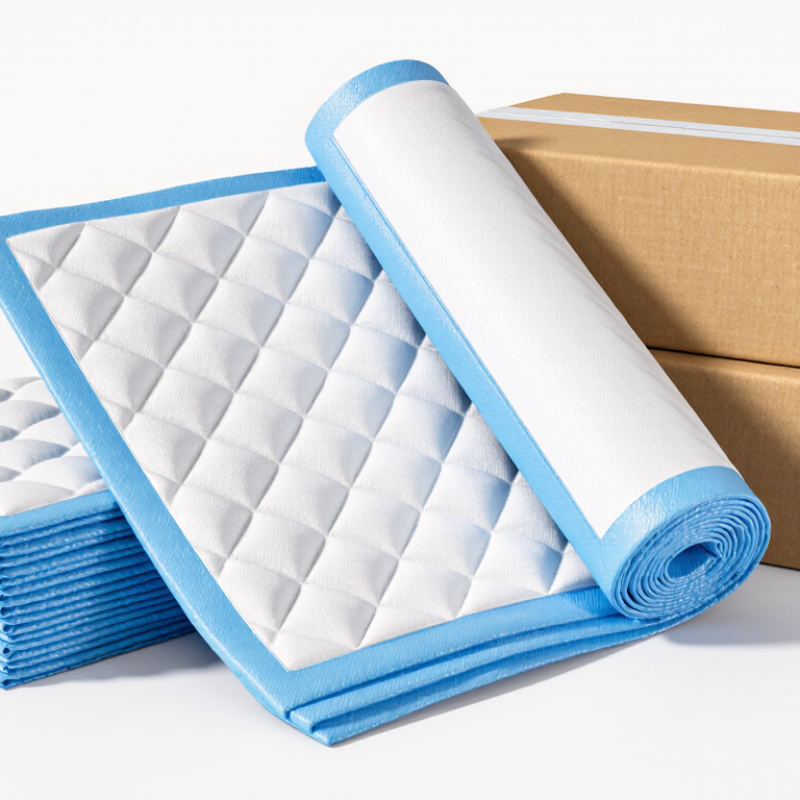
Top 10 Training Pads Suppliers for Global Buyers

What Training Pads Are and How Global Buyers Use Them

Training pads are absorbent sheets used to manage small amounts of liquid during indoor pet training, travel, or recovery care. Most combine a soft top layer, an absorbent core, and a leak-resistant backing. Some include adhesive corners or odor-control features, though performance varies by construction. They are practical, not magic.

Global buyers use training pads in homes, veterinary settings, pet hotels, and retail packs. A household may prefer compact, easy-to-store sheets, while a distributor often needs several sizes and steady restocking. Buyers compare dimensions, absorbency, surface-drying time, edge leakage, packaging, and carton volume. A pad can look substantial but still leak when liquid gathers near a seam.

Before placing a large order, buyers can request samples and test them on a clean, level surface. Measure how quickly the top feels dry, and check whether moisture reaches the backing under ordinary use. Ask suppliers for material details, production tolerances, and clear packaging specifications. These checks help, but they cannot predict every real-world result. Pets move, floors vary, and testing conditions are rarely perfect. That is worth admitting. Shipping plans also matter: bulky cartons can raise costs, even when each pad is inexpensive.

Key Product Features to Compare Across Training Pad Suppliers

When comparing training pad suppliers, look beyond the advertised absorbency figure. Ask how much liquid a pad holds before the surface feels wet, and whether that result comes from a repeatable test. A practical sample check is simple: pour a measured amount near the center, then press a dry tissue against the surface. Check for seepage at the edges, too. Small differences matter on tile floors.

Construction affects everyday performance. Compare the top sheet’s softness, the absorbent core’s distribution, and the backing’s resistance to leaks. Request dimensions and thickness, since a larger pad may still have a thin, uneven center. Odor control claims deserve careful review; fragrance can mask smells without improving absorption. A lab number alone can mislead.

For bulk orders, ask suppliers to document material specifications and batch consistency. Confirm that samples match production goods, including adhesive tabs, sealed edges, and packaging. If pads arrive compressed, test whether they unfold flat and stay in place. Ask about defect rates and how complaints are investigated. These details are easy to overlook. Price per pad is useful, but compare it with usable area and performance, not just carton cost. A supplier’s answer may sound polished; a written test method is more helpful.

How to Assess Supplier Capacity, Quality, and Compliance

A supplier’s quoted monthly output is only a starting point. Ask how many production lines make training pads, what their normal utilization is, and how they handle peak orders. Request recent output records, shift schedules, and a sample capacity plan. The World Bank’s 2023 Logistics Performance Index assessed 139 economies across areas including infrastructure, customs, and delivery timeliness. Use those dimensions to compare shipping routes and backup options, not to assume a supplier can meet your deadline. Capacity is not a promise.

Quality checks should follow the product through production. Review incoming-material controls, absorbency test methods, finished-pad inspection records, and batch traceability. Ask for test results from recent production, not only a polished sample. ISO’s 2023 Survey reported more than 1.26 million ISO 9001 certificates worldwide. A certificate can indicate a quality-management system, but it does not prove every shipment meets your specification. Test the lot.

Compliance depends on the destination market and the pad’s materials and intended use. Request current declarations, relevant third-party test reports, and clear records linking reports to the exact product and factory. Confirm document dates and product identifiers; mismatches are easy to overlook. A supplier may answer every question quickly and still provide incomplete evidence. That part deserves a second look. Compare suppliers using the same checklist, and record unresolved gaps before placing an order.

Profiles of Ten Training Pad Suppliers Serving Global Markets

Global buyers can assess training pad suppliers by matching product construction with order size, shipping needs, and intended use. One supplier may specialize in private-label production, offering packaging and dimensions tailored to a buyer’s specifications. Another may focus on molded foam pads, where density and edge finish affect comfort and durability. A textile-focused supplier may provide washable covers with reinforced seams. An absorbent-core specialist may help buyers compare layer thickness and liquid-retention performance. A small-batch producer can suit pilot orders, though unit costs may be higher.

Details matter.

A sixth supplier profile is an export-oriented manufacturer with experience preparing consistent carton specifications and shipment documents. A seventh may offer material options with recycled content, but buyers should verify claims through clear supporting records. A custom-development supplier can adjust shape or padding, although samples may take longer to approve. A regional producer may reduce transit time for nearby markets, but its capacity should be checked during peak seasons. Finally, a quality-focused supplier may provide inspection records and batch traceability. Ask for samples, written specifications, and realistic lead times before comparing quotations. I would not rely on catalog photos alone; stitching, grip, and wash performance can look different in person.

How Buyers Can Verify and Shortlist Potential Suppliers

Shortlisting training pad suppliers should start with a written specification, not a glossy catalog. Record pad dimensions, absorbent-core weight, top-sheet feel, backing material, and intended use. Ask each supplier to confirm these details on a sample sheet. Small differences matter. Pads that look alike may spread liquid unevenly or curl at the edges.

Request samples made with the materials and production line proposed for bulk orders. Test each with a measured amount of water, a timer, and dry tissue pressed against the surface. Note absorption time, leakage, odor, and movement on a smooth floor. Repeat the test across several pads; one good sample proves little. Ask for recent quality records and the methods used to check each batch. Treat performance claims as unverified if no test method is provided.

Check the supplier’s identity, facility capacity, export experience, and response time through documents and a live production walkthrough. Ask how defects are recorded, corrected, and reported, then include agreed steps in the purchase specification. Independent lab testing may help when claims matter or sample results vary. No checklist removes every risk. I would still allow for a cautious pilot order; paperwork can look convincing while production tells a different story.

Top 10 Training Pads Suppliers for Global Buyers - How Buyers Can Verify and Shortlist Potential Suppliers

This is a practical shortlist of supplier archetypes, not a ranking of named or verified companies. Use it to identify suitable candidates and confirm every capability, specification, and compliance claim directly with the supplier.

No. Supplier Type to Screen Potential Fit for Training Pads Evidence to Request Buyer Verification Checks
1 Absorbent hygiene product manufacturer May produce finished disposable pads with absorbent layers, a nonwoven top sheet, and a liquid-resistant backing. Product specification sheet, current product samples, factory address, and a description of the manufacturing process. Compare samples with the written specification; confirm which production steps are performed in-house and which are subcontracted.
2 Private-label or OEM manufacturer May make pads to a buyer’s agreed size, packaging, and performance requirements. Written quotation, customization options, packaging mock-up, minimum order quantity, and production lead-time estimate. Approve a pre-production sample and signed specification before placing a bulk order; confirm ownership and approval of artwork.
3 Nonwoven fabric converter May supply or convert the top-sheet material used in a finished training pad, rather than manufacture the complete pad. Material datasheet, fiber or material composition, available roll widths, and traceability information for supplied material. Confirm whether the business sells finished pads or only components; test the top sheet for the agreed softness and liquid-transfer behavior.
4 Absorbent-core specialist May supply absorbent cores or core materials, such as cellulose fluff pulp or superabsorbent polymer, for pad production. Core construction details, material declarations, sample cores, and any available test data for absorption or retention. Check that test methods and sample conditions are stated; compare performance using the same method across shortlisted suppliers.
5 Integrated materials-and-finished-goods supplier May manage multiple pad components and finished-product assembly, which can simplify coordination for buyers. Process flow, component sourcing overview, quality-control plan, and identification of any outsourced operations. Trace a sample lot from incoming materials to finished goods; verify that the stated production site matches the order documents.
6 Retail-packaging-focused manufacturer May support individually branded retail packs, printed bags, or retail-ready case packing. Packaging specifications, artwork proof process, pack-count options, and carton dimensions and weights. Review a physical packaging sample; confirm labeling language, barcode requirements, and packaging details for each destination market.
7 Bulk and institutional supplier May be suitable for large-volume orders with simple packaging and repeat purchasing requirements. Bulk-pack sample, pallet or carton configuration, capacity statement, and written order and delivery terms. Check pack counts and shipping dimensions; validate production capacity against the required delivery schedule rather than relying on a general claim.
8 Specialty-size or format manufacturer May offer a range of pad dimensions, shapes, or features such as adhesive strips, subject to confirmation. Dimensioned drawings, feature list, sample options, and a quotation that identifies any tooling or setup charges. Measure samples and test optional features; ensure the final approved specification lists tolerances and the exact pad configuration.
9 Export-oriented manufacturer May have experience preparing export documents and coordinating international shipments. Redacted examples of relevant shipping documents, export-market references where available, and a proposed Incoterms® rule. Confirm the legal seller and shipper, responsibilities for freight and insurance, and document requirements with the buyer’s customs broker.
10 Trading company or sourcing intermediary May coordinate product sourcing, packaging, and communication; production is generally performed by a separate factory. Disclosure of the producing factory, authorization to sell the product, factory contact details, and written responsibility for quality issues. Verify the factory independently and clarify who controls production, inspection, claims handling, and replacement or refund terms.