
Choosing the right Swim Suits style involves more than following seasonal trends. The best choice depends on movement, coverage, fabric, body comfort, and the setting. A lap swimmer may need a streamlined one-piece with secure straps. Someone relaxing beside a pool might prefer a supportive bikini, tankini, or high-waisted set. Small details matter. A twisted strap can distract you. Weak lining can become uncomfortable after repeated use.
Norma Kamali, a respected swimwear designer, once said, “The swimsuit is the most revealing garment a woman can wear, and it is also the most liberating.” Her observation explains why swimsuit design balances exposure and confidence. Modern Swim Suits include one-pieces, bikinis, tankinis, rash guards, swim dresses, and adaptive options. Each type serves a different purpose. Some prioritize speed. Others offer shaping, sun coverage, or easier movement.
This guide examines the top types of Swim Suits and explains where each design works best. It considers fabric stretch, support, neckline shape, leg openings, and practical durability. It also recognizes a simple truth: no style suits everyone. Even expert recommendations can miss personal preferences. A fashionable cut may feel restrictive. A modest design may still lack support. Trying several silhouettes remains useful, especially under real conditions such as swimming, walking, sitting, and drying in the sun. The goal is not perfection. It is a more informed, comfortable choice.
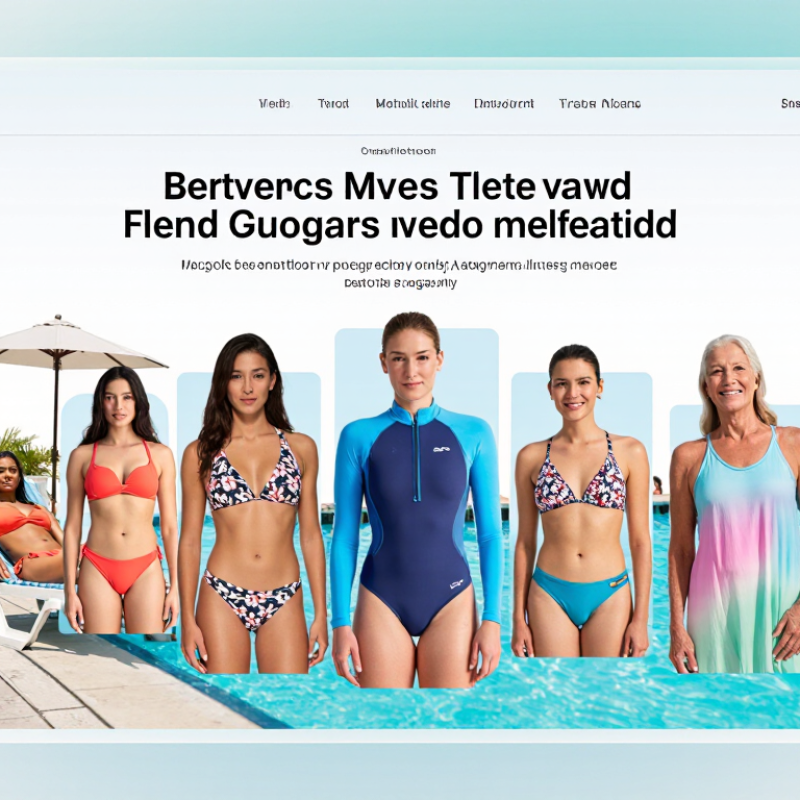
What Are the Top Types of Swim Suits?
One-Piece Swimsuits: Coverage, Support, and Common Designs
One-piece swimsuits remain practical for swimming, paddleboarding, and active beach days. They cover the torso while reducing movement during repeated strokes. Grand View Research estimated the global swimwear market at about 20 billion dollars in 2023. Its 2024 analysis projects roughly 4% annual growth through 2030. That growth reflects demand, not guaranteed comfort. Fit still matters.
Support depends on construction, not coverage alone. Look for adjustable straps, a lined bust, wide underbands, or light power mesh. Shelf bras offer gentle control, while underwire designs provide firmer shaping. High-neck suits cover more skin and suit vigorous movement. Scoop-neck styles feel less restrictive. Racerback designs can improve shoulder mobility, but they may expose more upper back.
Common designs include wrap-front, asymmetric, belted, and open-back suits. A wrap front can define the waist, although loose fabric may shift in strong water. I once assumed more fabric always meant more support. That assumption was wrong. Swimsuit fit changes when fabric becomes wet. Check the leg openings, torso length, and strap pressure before buying. Sit, stretch, and raise your arms. Do not ignore pinching. Textile Exchange’s 2024 Materials Market Report also notes that recycled polyester remains widely used, though recycled content does not automatically improve fit or durability. Good design must balance coverage, movement, support, and fabric recovery. No cut solves every problem.
What Are the Top Types of Swim Suits?
Bikinis remain popular because they offer flexible two-piece styling and adjustable coverage. A classic triangle top can tie around the neck and back. Sliding cups allow small changes in bust coverage. High-waisted bottoms provide more midsection support without hiding the two-piece shape. For active swimming, choose secure straps and firm fabric. Decorative details look attractive, but they may shift during movement.
Tips: Try sitting, walking, and raising your arms before buying. Check whether the top stays flat and comfortable. Adjust both sides evenly. A darker lining can offer helpful confidence when fabric gets wet. Fit matters more than the size label.
I once selected a bikini that looked perfect on a hanger. It moved too much when I swam. That mistake taught me to test mobility, not just appearance. Adjustable side ties can improve leg opening comfort, while wider bands may reduce pressure. Still, every body responds differently. Some people prefer minimal coverage, while others need stronger support. Look for smooth seams, secure stitching, and fabric that recovers after stretching. Rinse the swimsuit after saltwater or chlorine exposure, then let it air-dry away from intense heat. Small care habits can preserve elasticity, although they cannot repair worn fabric.
This comparison shows the typical number of adjustable design elements found in common bikini styles. Triangle and halter bikinis generally offer the most flexibility through tie closures, sliding cups, or adjustable straps, while high-waisted and sporty styles usually prioritize support and coverage.
Among the top types of swimsuits, tankinis remain a practical choice for swimmers who want coverage without a one-piece feel. A tankini pairs a longer swim top with separate bottoms. The top may rest at the hips or fall slightly lower. This design makes changing, restroom breaks, and mixing sizes easier. I have found that a secure hem matters more than a fashionable shape during active movement. A loose top can float upward while swimming laps. That gets annoying quickly.
For pool sessions, look for chlorine-resistant fabric, flat seams, and adjustable straps. A built-in shelf bra can provide gentle support, while removable cups allow personal adjustment. Bottoms deserve equal attention. Drawstrings help prevent slipping, and fuller cuts can feel steadier during beach walks. Tankinis also suit changing bodies or uneven proportions because the top and bottom can be selected separately. Still, more coverage does not automatically mean better comfort. I once chose a long top that trapped heat on a humid afternoon. It looked sensible, but felt heavy.
Before buying, move in the swimsuit. Raise both arms, bend, sit, and twist. Check whether the neckline stays flat and the straps remain comfortable. Wet fabric may feel heavier, so a fitting test is useful when possible. Rinse the suit with cool, fresh water after swimming and dry it away from direct heat. These habits help protect elasticity. Tankinis are flexible, but they are not universally ideal. Someone wanting minimal drag may prefer a streamlined one-piece. Personal comfort should decide.
| Tankini Type | Top Design | Coverage Level | Common Support Features | Suitable Bottoms | Best For |
|---|---|---|---|---|---|
| Classic Tankini | A fitted, sleeveless top that usually reaches the waist or upper hip. | Moderate torso coverage | Adjustable straps, removable cups, shelf bra, or an elastic underband. | Briefs, hipsters, high-waisted bottoms, or swim shorts | Everyday swimming and shoppers who want a two-piece with more torso coverage. |
| Longline Tankini | An extended top that covers the waist and often reaches the upper hip. | High torso coverage | Wide straps, built-in cups, supportive lining, and a longer body for added stability. | High-waisted briefs, swim skirts, or swim shorts | People seeking extra midsection coverage without wearing a one-piece suit. |
| Blouson Tankini | A looser, gathered silhouette that drapes over the torso rather than closely following it. | Moderate to high torso coverage | Built-in bra, adjustable shoulder straps, and a fitted hem or elasticized lower edge. | Briefs, skirted bottoms, or swim shorts | Those who prefer a relaxed fit and less cling around the abdomen. |
| Racerback Tankini | Shoulder straps meet between the shoulder blades to create a sporty back shape. | Moderate back and torso coverage | Wide fixed straps, secure arm openings, lining, and sometimes a supportive bra panel. | Sport briefs, swim shorts, or secure mid-rise bottoms | Active swimming, beach games, and movement-focused activities. |
| Halter Tankini | Straps or ties rise toward the neck, creating a centered neckline. | Moderate front coverage | Neck ties, adjustable back ties, molded cups, or an underbust band. | Briefs, high-waisted bottoms, or swim skirts | Those who want adjustable fit and a neckline that emphasizes the shoulders. |
| Bandeau Tankini | A straight or gently curved strapless-style neckline, sometimes with removable straps. | Moderate front coverage | Gripper elastic, an underbust band, removable straps, and molded or soft cups. | Briefs, high-rise bottoms, or coordinating swim skirts | Reducing visible tan lines and creating a clean, strap-free neckline. |
| Swim-Dress Tankini | A tankini top extends into a short skirted or dress-like outer layer. | High torso and upper-thigh coverage | Built-in bra, adjustable straps, full lining, and attached or separate swim briefs. | Attached briefs, separate briefs, or swim shorts | Those who want a dress-inspired appearance and greater lower-body coverage. |
Swim dresses and skirted suits bring coverage without looking overly technical. A swim dress usually pairs a fitted swimsuit base with a flowing outer layer. A skirted suit adds fabric around the hips and upper thighs. The difference feels practical at a poolside café, where a quick cover-up can be inconvenient. I have found that wider straps, soft underbands, and built-in briefs matter more than decorative details. Comfort shows quickly when wet fabric clings to the skin.
Grand View Research estimated the global swimwear market at USD 20.12 billion in 2023. Its report also projects continued growth through 2030, supported by lifestyle, travel, and online shopping demand. That growth suggests shoppers want more than performance. They want pieces that move between swimming, walking, and casual outdoor activities. Still, coverage is not the same as sun protection. Check the garment’s tested UPF rating, fabric composition, and care instructions before relying on it. Dark, tightly woven fabric can feel safer, but appearance alone proves little.
Fit needs honest testing. Sit down. Raise your arms. Walk several steps. A skirt that rides upward may look charming on a hanger but feel distracting in water. Swim dresses can also hold more water, creating drag and extra weight. That trade-off is easy to overlook. The best choice depends on activity, body comfort, and how much movement feels natural. A casual silhouette is useful, but it should never replace secure construction.
Rash guards and competition suits serve different performance needs in the water. A rash guard uses close-fitting fabric to reduce rubbing during surf sessions, training, or outdoor swimming. It can also add light protection from sun exposure, although it should not replace sunscreen. I prefer a snug fit around the shoulders and waist. Loose fabric fills with water and becomes distracting quickly. Flat seams matter when the suit touches the neck or underarms. After longer sessions, I have noticed that small pressure points can become painful.
Competition suits focus on reduced drag and controlled movement. Their fabric usually feels firmer than ordinary swimwear, especially around the hips and torso. A correct fit should feel supportive without restricting breathing or shoulder rotation. Try several strokes before buying one. Raise both arms, bend at the waist, and check for gaps. The suit should stay in place during a dive and push-off. Not every tight suit is fast. I once chose a smaller size and regretted it halfway through training. Comfort still affects technique. Some competition events also regulate suit materials, coverage, or construction, so swimmers should check current event rules before racing. Rinse performance swimwear with cool, clean water after every use. Avoid harsh detergents, hot dryers, and rough surfaces. These habits help protect elasticity and reduce premature fabric damage.