What Is an Outdoor Trampoline?
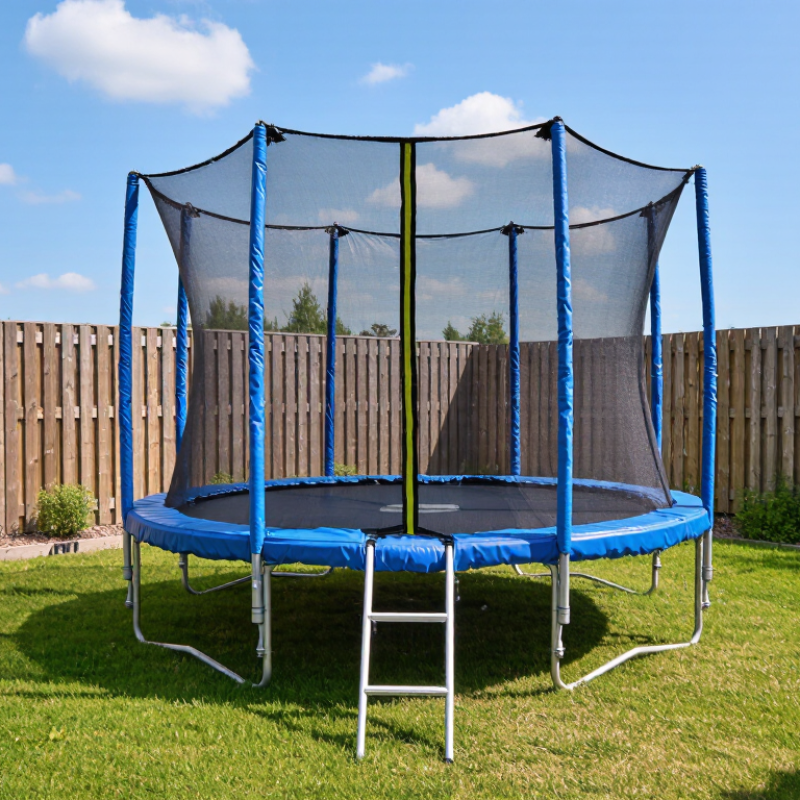
An Outdoor Trampoline is a rebound device designed for use in an open-air setting, often in a backyard or garden. It typically has a flexible jumping mat attached to a metal frame by springs or elastic bands. Many models also include a safety enclosure, padded frame covers, and a ladder. The exact design varies, so the product manual matters.
Outdoor use brings practical considerations beyond the bounce. Sunlight can fade or weaken some materials over time. Rain may leave the mat slippery, while strong winds can move an unsecured frame. Check the trampoline, surrounding ground, and weather before use. Small details count.
A level, clear area helps reduce avoidable hazards. Keep the space free of fences, branches, toys, and hard obstacles, and follow the manufacturer’s clearance guidance. An enclosure can help limit falls, but it does not remove all risk. Active adult supervision and clear use rules remain important, especially when children are jumping. One jumper at a time is a common safety recommendation; check the manual for model-specific instructions.
Choosing a trampoline involves more than comparing diameter or price. Consider available space, user needs, assembly requirements, replacement parts, and how the unit will be secured and maintained outdoors. Even a sturdy-looking frame needs regular checks for loose fasteners, worn stitching, damaged springs, or corrosion. The inspection takes a few minutes. It is easy to postpone, though that is exactly why a simple routine helps. This guide explains what an Outdoor Trampoline is, how its main parts work, and what to consider before setting one up.
Definition and Purpose of an Outdoor Trampoline
An outdoor trampoline is a spring-supported jumping mat held by a frame and designed for use outside. Many models include a safety enclosure, which helps keep jumpers within the mat’s area. The frame usually rests on legs, while springs or flexible connectors let the mat bounce under weight. That is the basic idea.
Its purpose is to provide space for recreational bouncing, active play, and simple movement outdoors. Children may use one for energetic play; adults may use it for light exercise. Bouncing can feel easy, but repeated landings still place force on the body. The definition sounds straightforward, yet “outdoor” involves more than being placed in a yard. A firm, level surface and clear space around the trampoline matter. Check the frame, mat, and connectors regularly, especially after strong wind or heavy rain. Sun and moisture can also wear materials over time. A trampoline does not make every yard suitable, and an enclosure cannot remove all risk. That detail matters.
What Is an Outdoor Trampoline?
An outdoor trampoline is a spring-supported jumping surface designed for use outside. Its purpose is to provide space for recreational bouncing and exercise. The chart shows examples of common nominal frame diameters; available sizes vary by model and market.
Diameters are nominal size examples in feet; actual frame measurements may vary.
Key Components and How They Work
What Is an Outdoor Trampoline?
Key Components and How They Work
An outdoor trampoline combines a flexible jumping mat, a supporting frame, and a system that lets the mat move and recover. The frame, usually made of metal tubes, spreads a jumper’s weight across the legs. Its stability depends on sound connections and a level, firm surface. A mat with tight, evenly spaced stitching helps distribute force, though it can stretch or wear over time.
Springs connect the mat to the frame and store energy as the mat bends downward. When they recoil, the mat rises again. Some models use flexible rods or enclosed elastic elements instead; each design needs parts suited to its structure. The frame pad covers the spring area, but it does not replace careful setup or supervision. Small gaps matter. An enclosure’s net attaches to upright poles and helps reduce the chance of falling beyond the jumping area. Check its seams, entry closure, and pole padding regularly. Legs support the frame, while ground anchors can help limit movement in windy conditions. They are not a cure for poor placement. Leaves, dampness, and rust can hide wear, so inspect the mat, fasteners, and connectors in good light. Even a sturdy-looking unit may need maintenance.
What Is an Outdoor Trampoline? - Key Components and How They Work | Component | Typical Construction | How It Works | Practical Consideration |
| Jumping mat | Woven synthetic fabric, commonly polypropylene, with reinforced attachment points. | The mat stretches under a jumper’s weight and returns toward its original shape, helping create the upward rebound. | Check regularly for fraying, holes, or damaged stitching. |
| Springs or elastic connectors | Metal coil springs are common; some designs use elastic connectors instead. | They connect the mat to the frame, extend as the mat is loaded, and contract to help return it upward. | Inspect for corrosion, stretching, breakage, or loose connections. |
| Frame and legs | A rigid metal frame, often made from galvanized steel, supported by legs. | The frame holds the mat and connectors in tension and transfers jumping forces to the ground. | Place on level ground and check joints and fasteners for movement or damage. |
| Safety enclosure | A mesh net supported by poles around the jumping area, typically with an entry opening. | It forms a boundary intended to help reduce the chance of a jumper falling off the mat. | Keep the entry closed during use; an enclosure does not prevent every injury. |
| Frame padding | Weather-resistant foam covered with a protective fabric or coated material. | It covers the springs and frame edge, adding a cushioned barrier between the jumping area and hard parts. | Keep it correctly positioned and replace it if the covering or foam deteriorates. |
| Anchors (where used) | Ground stakes or tie-down straps connected to the frame. | They help hold the trampoline in place and reduce movement in windy conditions. | Use as directed for the site and product; anchoring does not make severe weather safe. |
| In brief: An outdoor trampoline combines a flexible mat, connectors, and a supporting frame. A jumper’s downward force stretches the system; its elastic return produces the rebound. Follow the product’s instructions, weight limits, and safety guidance. |
Common Outdoor Trampoline Types and Sizes
What Is an Outdoor Trampoline?
Common Outdoor Trampoline Types and Sizes
Outdoor trampolines come in several shapes, and each suits a different yard and jumping style. Round models are common for family use, with typical frame diameters around 8 to 15 feet. Their shape tends to guide jumpers toward the middle, though supervision and an enclosure still matter. Compact mini trampolines, often about 3 to 7 feet wide, can fit smaller spaces, but they are not automatically suitable for every age or skill level.
Rectangular trampolines usually offer a longer jumping surface and are often chosen by experienced users. Many measure roughly 7 by 10 feet or larger. Oval models fall between round and rectangular designs, providing a stretched-out jumping area without sharp corners. Sizes vary by manufacturer, so check the actual frame dimensions rather than relying on labels like “large.” Measure the yard, too. Leave the clearance recommended in the product instructions, and look for overhead branches, fences, and hard surfaces nearby.
A common mistake is measuring only the grass where the trampoline will sit. The surrounding space matters. I would also consider who will use it, how often, and whether the enclosure makes access awkward. That detail is easy to overlook. Bigger is not always better; a trampoline that crowds a garden path may create daily hassles. Size charts help, but they cannot judge your yard for you.
Materials and Weather-Resistant Design
An outdoor trampoline is built to stay exposed to sun, rain, and changing temperatures. Its frame is commonly galvanized steel, which slows rust, while the jumping mat is usually woven polypropylene. Check seams and spring coatings too. They often show wear before the larger parts do. Small details matter.
Weather resistance is not the same as weatherproofing.
ASTM G154’s Cycle 1 uses eight hours of UVA-340 exposure at 60°C, followed by four hours of condensation at 50°C. This accelerated test helps compare how materials withstand UV and moisture, but it cannot predict every backyard’s lifespan.
NOAA’s 2023 global climate report recorded temperatures 2.12°F above the twentieth-century average, a reminder that heat exposure deserves attention. Look for UV-resistant fabric, coated steel, and netting that remains flexible rather than brittle.
After rain, check for pooled water and dry damp areas. Inspect the frame joints, too. Even good coatings can chip. I would not leave a trampoline uncovered through every storm; regular checks and sensible storage still matter.
Typical Uses and Built-In Safety Features
What Is an Outdoor Trampoline?
Typical Uses and Built-In Safety Features
An outdoor trampoline gives children and adults a place to bounce, practice simple jumps, or enjoy active play in the garden. Families often use one for short play sessions, especially when open space is limited. A clear landing area matters. Keep toys, garden tools, and low branches away from the jumping surface. Follow the maker’s setup and use instructions, and place the trampoline on stable, level ground.
Many models include a surrounding enclosure, padded frame, and covers over springs or other hard parts. These features can help reduce contact with hazards, but they do not prevent every injury. Check that the net has no tears and that its entry closes properly. Look for worn padding, loose parts, or a frame that shifts.
Small details matter. It is easy to trust a safety net without checking its zipper. Adult supervision is important, and allowing one jumper at a time can reduce collisions.
Avoid bouncing when the surface is wet, and stop if equipment looks damaged. Safety checks take a few minutes, though they can be easy to skip on a busy day.
