
Why Do Global Buyers Choose Chops Spice? The answer depends on more than a bold aroma or attractive packaging. International buyers often compare flavor, consistency, ingredient information, and delivery readiness before choosing a spice supplier. A sample may smell warm and peppery in the warehouse, yet perform differently in a restaurant kitchen or packaged food recipe. Small details matter.
Chops Spice can be assessed through the practical questions buyers ask of any supplier. Are product specifications clear? Can the supplier explain ingredient sourcing and handling? Do samples match later orders? Buyers may also review packaging suitability, communication speed, and food safety documentation relevant to their market. These checks help turn a promising first order into a dependable working relationship. But no single claim proves reliability. Buyers should verify details directly and request current records where needed.
There is more to consider. Regional taste preferences, import requirements, and storage conditions can change what “good value” means. A spice that suits one market may need adjustment for another. That is easy to overlook. This introduction explores why global buyers may consider Chops Spice, while keeping the focus on evidence, product fit, and transparent evaluation. The strongest choice is not always the loudest one; it is the supplier that can answer specific questions consistently.
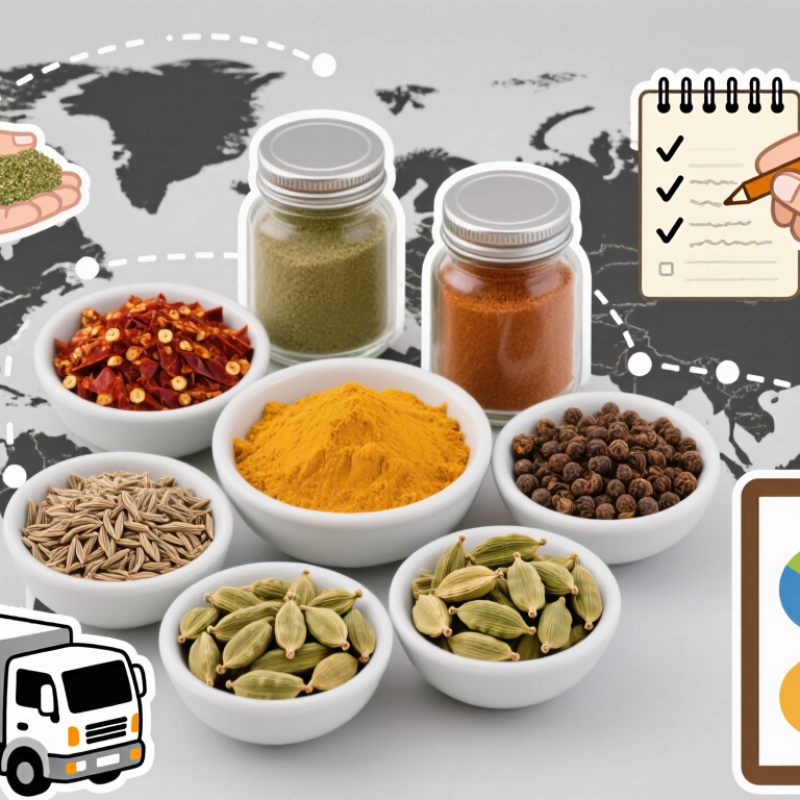
International buyers need more than a competitive price. They need clear product specifications, dependable quality, and export-ready support. A capable spice supplier can provide samples, grade and moisture details, batch identification, and certificates of analysis. These records help buyers compare shipments and investigate differences, such as a change in aroma or color. Consistency still takes work; harvests vary, and paperwork alone cannot guarantee a perfect match.
Reliable delivery planning matters too. UNCTAD’s Review of Maritime Transport 2024 reported that weekly Suez Canal transits fell by about 70%, while Cape of Good Hope transits rose by 89% during the disruptions. For buyers, this underlines the value of realistic lead times, shipment updates, and packaging suited to long journeys. Clear communication about minimum order quantities and export documents can also reduce avoidable delays.
Tip: Request a recent sample and batch-specific test documents before confirming a large order. Compare the aroma and appearance yourself. Small checks help.
An international-buyer overview of common spice-sourcing options and checks. Specific products, certifications, documentation, and terms should be confirmed with the supplier for each order and destination market.
| Buying Dimension | What Buyers Can Request | Value to International Buyers | What to Verify |
|---|---|---|---|
| Product formats | Whole spices, ground spices, or blends, depending on the supplier’s range. | Whole spices can be milled closer to use; ground products are convenient for production and retail. | Confirm the exact species, grade, cut or particle size, and product specification. |
| Product specifications | A written specification covering relevant characteristics such as appearance, aroma, moisture, and foreign matter. | Clear requirements help buyers compare samples and ensure shipments meet agreed needs. | Agree on measurable acceptance limits and the inspection or testing method before ordering. |
| Quality testing | A batch-specific certificate of analysis or test report, where available and agreed. | Testing records can help buyers assess whether a lot meets contractual and destination-market requirements. | Check the tests, methods, sampling details, laboratory, and report date; requirements vary by product and market. |
| Food safety controls | Information about the supplier’s food-safety program and copies of relevant, current certificates when applicable. | Documented controls support buyer due diligence and supply-chain risk management. | Verify certificate scope, validity, issuing body, and whether it covers the site and product concerned. |
| Traceability | Lot identification and available records linking a shipment to its production or packing batch. | Batch-level records make it easier to investigate quality issues and manage recalls. | Check that lot codes appear consistently on product packaging and shipping documents. |
| Packaging and labeling | Packaging sizes and materials suited to the intended shipment, plus labels agreed with the buyer. | Appropriate packaging can protect product quality during handling and transit. | Confirm food-contact suitability, packaging strength, label language, and destination-market rules. |
| Export documentation | Commercial invoice, packing list, and other documents required for the transaction; additional certificates may apply. | Accurate paperwork helps support customs clearance and shipment handling. | Requirements depend on the product, country of origin, destination, and import rules. Confirm them with the importer or customs broker. |
| Shipping terms | Quotations under an agreed Incoterms® rule, with the named place or port clearly stated. | Clear delivery terms define key responsibilities, costs, and risk transfer between buyer and seller. | Specify the Incoterms® rule and named place in the sales contract; Incoterms® 2020 is the current edition. |
| Samples and order planning | Pre-order samples and a discussion of lead time, order quantity, and shipment schedule. | Sampling and planning let buyers assess suitability before committing to a commercial shipment. | Confirm sample representativeness, sample charges, minimum order quantity, and the agreed delivery timeline. |