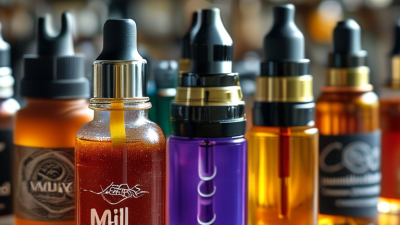
E Liquid Flavors range from fruit and mint to dessert-inspired blends, but a pleasant name reveals little about ingredients or inhalation risks. Choosing one thoughtfully means checking the product label, understanding personal preferences, and treating safety claims cautiously. A flavor is not a safety test.
The 2024 National Youth Tobacco Survey, conducted by the U.S. Centers for Disease Control and Prevention and the Food and Drug Administration, found that 87.6% of current youth e-cigarette users reported using flavored products. Fruit was the most commonly reported flavor category, at 55.6%. These figures describe youth use, not adult preferences or product safety. They do show how strongly flavor shapes product appeal. That distinction matters.
For adults who are legally permitted to use these products, practical comparisons can start with clear ingredient information, accurate nicotine labeling, and a flavor description that matches the product. A fruit profile may taste bright or tart; a dessert blend can seem sweet or creamy. Descriptions still vary between brands. Food-use status alone does not establish that an ingredient is safe to inhale, and long-term effects remain an important concern. I would not treat a popular flavor or confident marketing as proof of quality. This guide explains common flavor families and offers a cautious way to compare them, while recognizing that choosing a flavor cannot remove the health risks of vaping.

E-liquid flavors describe the taste and aroma added to a liquid, not a single ingredient. Common profiles include fruit, mint, dessert, and tobacco-inspired notes. The base usually contains propylene glycol (PG) and vegetable glycerin (VG), which carry flavorings and produce aerosol. Nicotine may also be present, but some liquids are nicotine-free. Formulas differ, so check the ingredient label rather than relying on a flavor name.
Flavorings can combine multiple substances. A 2014 study by Zhu and colleagues in Tobacco Control identified 7,764 distinct e-cigarette flavors sold on US retail websites. That figure describes products available at the time, not today’s market or the safety of those ingredients. The National Academies’ 2018 report on e-cigarettes also reviewed evidence that aerosol can contain substances beyond the liquid’s listed ingredients. A pleasant smell is not proof of safety. Food-use status does not establish suitability for inhalation.
Tips: Read the full ingredient list and compare PG/VG content if throat feel or vapor density matters to you. Choose clear labeling over vague claims. Remember, flavor preference says little about exposure. Manufacturers may change formulas, too.
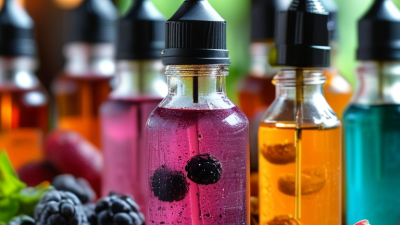
E-liquid flavors are commonly grouped by the taste they are designed to suggest, although categories are not standardized. Fruit profiles may feature citrus, berries, or orchard fruits, while dessert styles suggest notes such as vanilla, pastry, or caramel. Beverage-inspired options often echo coffee, tea, or soft drinks. Mint and menthol profiles bring a cooling sensation, and tobacco-style flavors aim for toasted or earthy notes.
Taste is personal. One person may find a berry blend bright and tart; another may notice mostly sweetness. Blended profiles can also shift as you notice different notes, so a flavor’s category is only a rough guide. Labels can mislead. Read the ingredient and allergen information rather than relying on a flavor name alone, especially if you have known sensitivities.
When comparing options, consider whether you prefer a single clear note or a layered profile, and whether you want a cool, sweet, or less-sweet impression. Check that product details and ingredients are clearly provided by a reliable seller. Flavor descriptions cannot establish product quality or safety, and no flavor category makes an e-liquid risk-free. A little uncertainty is normal; descriptions do not always match individual perception.
E-liquid flavors are commonly grouped by their main flavor profile, such as fruit, dessert, mint or menthol, tobacco, beverage, and candy. The bars count the representative flavor notes listed for each group—not market share, popularity, or sales.
An e-liquid’s flavor profile comes from its blend of aromatic compounds, sweetness, acidity, and cooling sensations. A 2016 peer-reviewed analysis by Tierney and colleagues examined 30 e-liquid samples and identified 42 distinct flavor chemicals across them. This helps explain why two liquids labeled “berry” may taste quite different. The label suggests a direction, not a fixed recipe.
Fruit profiles often seem bright or tart, while dessert-style profiles can feel sweeter and heavier. Mint-like profiles create a cooling impression; tobacco-inspired ones may taste dry, woody, or slightly sweet. These are sensory descriptions, not guarantees. Even small changes in ingredient proportions can shift the first taste and the aftertaste. Details matter.
When comparing flavor descriptions, look for specific notes such as citrus peel, vanilla, or menthol-like coolness rather than relying only on broad categories. The National Academies’ 2018 report, Public Health Consequences of E-Cigarettes, reviewed extensive evidence and cautioned that a flavoring considered safe to eat is not automatically safe to inhale. That distinction deserves attention. Flavor labels also reveal little about the full ingredient mixture, so descriptions should be treated as clues, not safety information.
Choosing an e-liquid flavor is personal, but a little observation helps. Think about tastes you already enjoy: ripe fruit, mint, coffee, or a mild dessert note. A sample that smells sweet may taste sharper after several puffs, so start with a small amount when possible. Taste changes. Consider how strongly you want the flavor to come through; intense cooling or sugary notes can feel tiring over time. Keep that in mind.
Read the label rather than judging by the flavor name alone. Check the ingredients, nicotine concentration, and warnings, especially if you have asthma, allergies, or sensitivities. Flavorings intended for food are not automatically proven safe to inhale. If a product causes coughing, throat irritation, dizziness, or nausea, stop using it; seek medical advice if symptoms persist. Choose sealed products with clear ingredient and batch details, and store them away from children and pets.
Preferences can shift. A flavor you liked last week may feel cloying today. That is useful feedback, not a reason to keep using it. Anyone who does not already use nicotine should not start, since nicotine can be addictive.
For adults who already use e-liquids, flavor notes can be useful, but they are not guarantees. A “mint” blend might feel cool, sweet, or herbal, depending on its ingredients and your device. Keep a short tasting log: record the flavor, date, device settings, and what stood out. Change only one factor at a time. It is easy to blame the liquid when the device or a lingering flavor may be affecting your impression.
Compare descriptions side by side, then check the ingredient and nicotine information on the label. Nicotine is addictive, and flavor does not indicate how much nicotine a liquid contains. Never taste e-liquid directly or use it on your skin. Follow the device maker’s instructions, and stop if you notice irritation or feel unwell. Small steps matter.
If you decide to compare options, use the same device and settings, and give your palate a break between flavors. Water can help clear lingering sweetness. Strong flavors may linger longer than expected. Honestly, flavor notes can be vague, and my own expectations might shape what I notice; keep that uncertainty in mind. Store liquids securely away from children and pets, and do not start vaping if you do not already use these products.