What Are Liquid Cigarette Flavors?
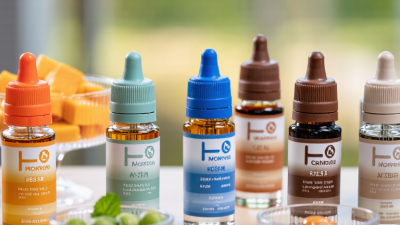
Liquid Cigarette Flavors are the taste profiles used in liquids designed for electronic cigarettes. They may be described as fruit, mint, tobacco, coffee, or dessert flavors. The name on a bottle is only a guide. “Berry,” for example, does not identify every ingredient or explain how the flavor will taste when heated. Formulas vary between products and manufacturers. Some liquids contain nicotine; others do not. Many use a base made with propylene glycol, vegetable glycerin, or both, alongside flavoring ingredients.
Small details can change the experience. A mint profile may feel cool, while a dessert profile may smell sweet before use. But flavor names and aromas cannot establish what inhaling a product may do to someone’s health. That distinction matters. Ingredients considered suitable for food are not automatically proven safe to inhale, and product labels may not reveal a complete formulation. Reliable information should come from clear product documentation and qualified public-health sources, not flavor descriptions alone. If you are comparing products, check the ingredient and nicotine information carefully, and remember that uncertainty remains. A label can sound precise, yet leave important questions unanswered. People who do not use these products should not start, and young people should avoid them. This overview explains the terminology; it is not a recommendation to use flavored liquids.
Definition of Liquid Cigarette Flavors
What Are Liquid Cigarette Flavors?
Definition of Liquid Cigarette Flavors
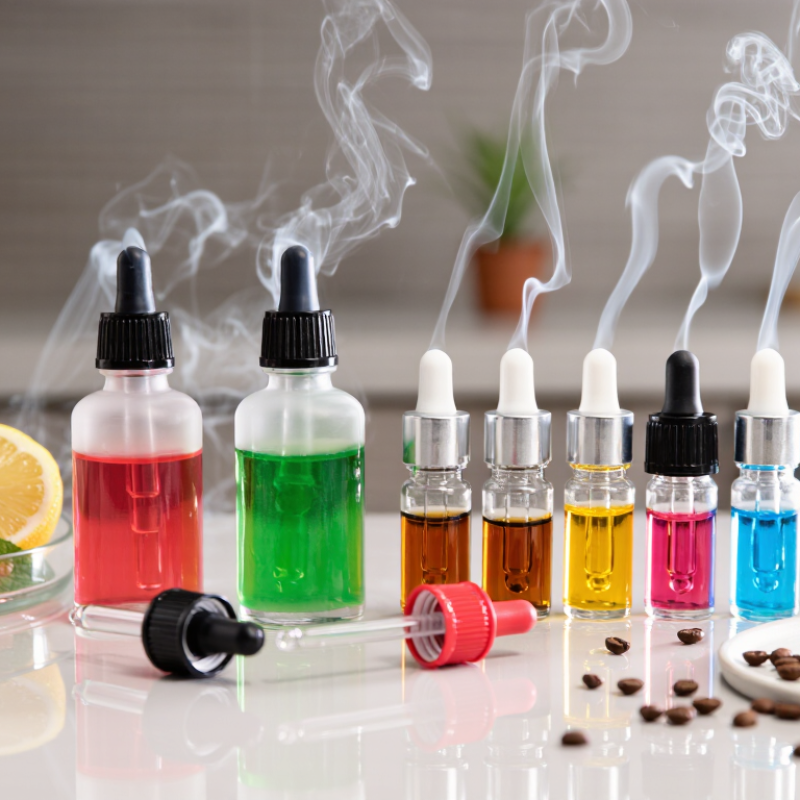
Liquid cigarette flavors are taste and aroma profiles added to liquids designed for electronic nicotine-delivery devices. They may be described as fruit, mint, dessert, beverage, or tobacco-like. These labels describe a sensory impression, not necessarily the ingredients or their source. A “berry” profile, for example, does not mean the liquid contains berries.
The flavor comes from one or more flavoring substances mixed into a liquid base. When heated, the mixture forms an aerosol that can carry those substances and other compounds. Its smell in a bottle may differ from its smell after heating. That distinction matters. Flavor names alone cannot show how a liquid behaves when heated or provide a complete picture of its contents.
The term can be imprecise. It may refer to a named taste, the flavoring ingredients, or the overall sensory experience. Ingredient lists can help identify components, but broad descriptions may not explain exact amounts or how ingredients interact. A pleasant scent is not proof of safety. Flavorings intended for food are not automatically assessed for inhalation, and evidence about long-term inhalation effects remains incomplete. The definition is useful, but it has limits.
What Are Liquid Cigarette Flavors? - Definition of Liquid Cigarette Flavors
Liquid cigarette flavors are the taste and aroma profiles associated with liquids used in electronic cigarettes and other vaping devices. Flavor names generally describe a sensory profile; they do not indicate a standardized recipe or guarantee that a product contains a particular ingredient.
| Flavor Category |
Common Descriptors |
Typical Sensory Profile |
Notes for Interpretation |
| Fruit |
Berry, citrus, apple, tropical fruit |
Often described as sweet, tart, juicy, or aromatic. |
Descriptors refer to perceived taste and aroma; they do not necessarily mean the liquid contains the named fruit. |
| Mint and menthol |
Mint, peppermint, spearmint, menthol |
May have a mint-like aroma and, in some formulations, a cooling sensation. |
Mint flavors and menthol are related but are not identical terms. Formulations vary. |
| Tobacco-style |
Classic tobacco, dry, earthy, toasted |
Designed to evoke some of the aromas or taste notes associated with tobacco. |
A tobacco-style flavor description does not establish that the liquid contains tobacco leaf. |
| Dessert and bakery |
Vanilla, custard, pastry, caramel |
Commonly described as sweet, creamy, buttery, or baked-goods-like. |
Flavor names are sensory descriptions and may not correspond to the ingredients used. |
| Beverage-inspired |
Coffee, tea, soda, fruit drink |
May suggest roasted, bitter, sweet, tart, or aromatic beverage notes. |
The profile is intended to resemble a beverage; it is not necessarily the beverage itself. |
| Unflavored or flavor-neutral |
Unflavored, neutral |
May have little added flavor character, though the liquid’s base ingredients can still have a taste. |
“Unflavored” does not necessarily mean odorless or completely tasteless. |
| Mixed or complex profiles |
Fruit-and-mint, fruit-and-dessert, blended profiles |
Combines two or more sensory descriptions, sometimes with one profile more prominent. |
There is no single universal naming system, so similar names can describe different profiles. |
Flavor availability, product labeling, and rules for flavored vaping products vary by location and can change. A flavor description does not indicate that a product is safe; inhaling aerosol from vaping products can carry health risks.
Common Flavor Categories and Their Characteristics
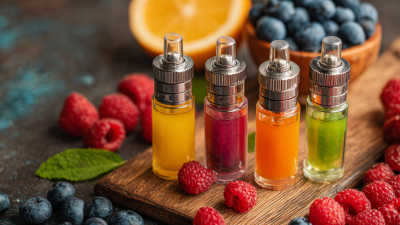
Liquid cigarette flavors are usually grouped by their dominant taste, though blends can blur the boundaries. Fruit profiles may suggest citrus, berries, or stone fruit; some feel tart, while others resemble ripe, sweet fruit. Dessert and candy profiles often evoke vanilla, caramel, or baked pastry. Mint tends to feel cool and sharp, while menthol adds a pronounced cooling sensation. Tobacco-style liquids can taste dry, earthy, or lightly sweet. These are sensory descriptions, not guarantees: the same label can taste different across formulations.
Survey data show how prominent flavor categories are, but the figures need careful interpretation. The US Centers for Disease Control and Prevention’s 2023 National Youth Tobacco Survey reported that 89.4% of surveyed current youth e-cigarette users used flavored products. Fruit was reported by 63.4%, candy or desserts by 35.0%, and mint by 25.6%. Respondents could report more than one flavor, so these percentages overlap. The survey describes youth use, not adult preferences or market sales. Flavor names also say nothing about a liquid’s safety or ingredients. That distinction matters. A sweet aroma can seem simple, yet its sensory impression does not reveal the full formulation.
How Flavorings Shape the Vaping Experience
What Are Liquid Cigarette Flavors?
How Flavorings Shape the Vaping Experience
Liquid flavors influence more than taste. They also affect aroma, sweetness, and sensations such as cooling or warmth. A citrus liquid may smell bright and taste sharp, while a vanilla note can seem soft and sweet. Small details matter. The balance can shift with a device’s temperature, airflow, and liquid formulation, so the same flavor description may feel different in practice. That variability is easy to overlook.
Flavorings are designed to create sensory impressions, not to show whether an aerosol is safe to inhale. Heating can change what a liquid releases, and pleasant taste does not make exposure harmless. A cooling sensation, for example, is not proof that the aerosol is gentle. Even careful descriptions can miss how personal taste and device settings alter the experience. That is a limitation worth acknowledging. If a liquid causes irritation or other unexpected symptoms, stop using it and seek guidance from a qualified health professional.
Ingredients and Flavor Formulation
Liquid cigarette flavor comes from small amounts of aromatic ingredients blended into a carrier liquid, commonly propylene glycol, vegetable glycerin, or both. Formulators may combine fruit, mint, spice, or dessert-like notes to create a particular profile. A bright citrus note, for example, can feel sharp at first, while a creamy note may soften its edges. The balance depends on each ingredient’s concentration and how the mixture behaves over time. Taste is subjective.
Formulation involves more than choosing pleasant aromas. Ingredients should be documented, measured consistently, and checked for clarity, separation, and changes in smell. A small adjustment can shift the whole profile. Some flavor compounds may also behave differently when heated, so suitability for inhalation cannot be assumed from food use alone. “Food-grade” is not a safety guarantee. That distinction deserves careful attention. Reliable descriptions identify ingredients and avoid promising that a flavor is harmless. Even careful batches can vary slightly, which is a reminder that formulation is both a technical process and an area for ongoing review.
What Are Liquid Cigarette Flavors? — Ingredients and Flavor Formulation
Flavor formulations may use compounds such as vanillin, menthol, ethyl maltol, limonene, and ethyl butyrate. This chart compares their molecular weights, not their amounts in a liquid or their safety. Formulations vary, and a compound’s presence does not establish that it is safe to inhale.
Flavor Labeling, Regulation, and Safety Considerations
Liquid cigarette flavors are often described with familiar words such as mint, berry, or custard. These names suggest a taste, but they do not identify a standardized recipe. Labels may also list ingredients, nicotine concentration, warnings, batch details, and storage instructions. Requirements differ by location and may change, so a label that looks complete in one place may omit details required elsewhere.
Flavor compounds intended for food are not automatically shown to be safe to inhale. That distinction matters. A flavor name alone cannot explain how a liquid behaves when heated or what exposure may result. Terms such as “natural” describe an ingredient claim, not a guarantee of safety. Keep liquids in their original, closed containers, away from children and pets. Check for leaks, damaged packaging, and clear hazard information.
Labels are useful, but imperfect. Some use broad flavor descriptions that reveal little about individual ingredients. For a careful review, compare the package with current guidance from a recognized health or regulatory authority, and ask a qualified professional about unclear warnings. If a label lacks basic details, treat that gap as meaningful rather than filling it with assumptions.