2026 Best E Liquid Flavors for Global Buyers

The 2026 Best E Liquid Flavors for Global Buyers reflects changing preferences across regional markets. Buyers now seek clear flavor profiles, stable quality, and dependable supplier communication. Good E Liquid Flavors should taste consistent from the first bottle to the last. They should also use clearly disclosed ingredients and reliable production controls.

Flavor appeal depends on culture, climate, and usage habits. Crisp mint may suit warm markets, while creamy dessert notes can perform well in colder regions. Bright citrus, ripe berry, tobacco-inspired, and balanced beverage profiles remain important categories. However, no flavor wins everywhere. Taste is personal.

This guide considers buyer feedback, sensory balance, product consistency, and supplier documentation. It also highlights practical details, such as batch numbers, sealed bottles, laboratory testing, and responsive after-sales support. Responsible purchasing matters. Global buyers should confirm age requirements, import rules, labeling standards, and nicotine restrictions in each destination. Products must never be marketed with medical promises or supplied where prohibited.

Our selection is not perfect. Consumer preferences change quickly, and some popular profiles may become ordinary within months. Small-batch testing can reveal issues that a catalog hides. A berry flavor may smell attractive but finish too sweet. A cooling blend may feel sharp after repeated use. Careful sampling remains essential.

Reliable suppliers should explain ingredient sourcing, manufacturing procedures, and compliance records. They should welcome reasonable questions. Transparent evidence builds trust more effectively than bold advertising. This introduction prepares buyers to compare flavor quality, commercial suitability, and responsible sourcing before making a global purchasing decision.
2026 Best E Liquid Flavors for Global Buyers

Understanding E-Liquid Flavor Categories in 2026

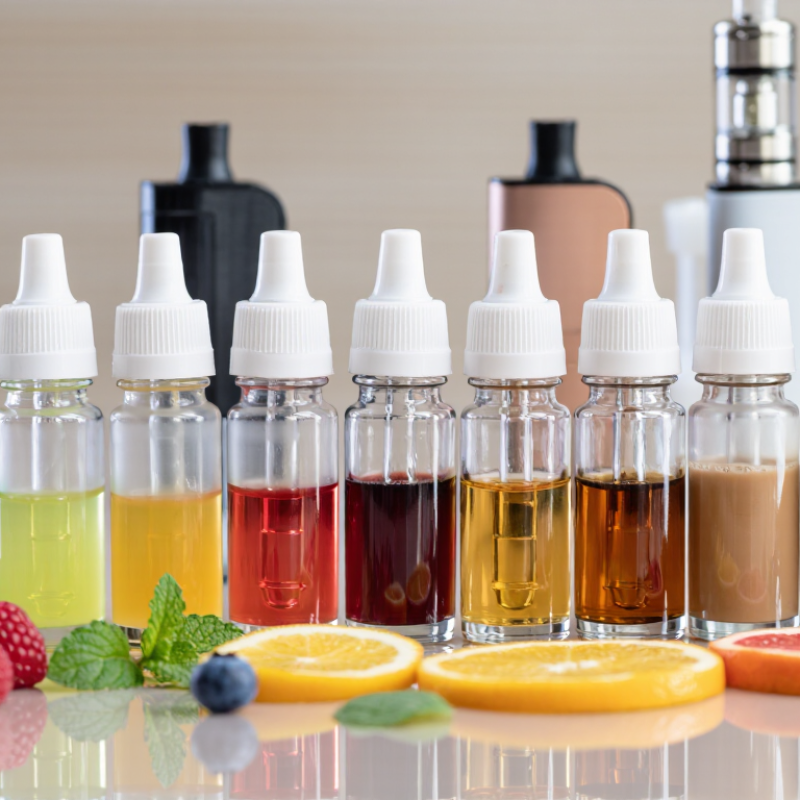
Understanding E-Liquid Flavor Categories in 2026 begins with clearer classification. Common groups include fruit, beverage, mint, menthol, tobacco, dessert, and unflavored profiles. The Global State of Tobacco Harm Reduction 2024 report shows that regulatory approaches differ widely between markets. Therefore, a flavor that is acceptable in one country may require different labeling elsewhere. Global buyers should check local ingredient rules, packaging requirements, and age restrictions before ordering.

Fruit profiles remain commercially important, especially citrus, berry, and tropical combinations. Grand View Research valued the global e-cigarette market at about USD 28.17 billion in 2023, indicating substantial demand across related product categories. Yet market size does not prove that every flavor will perform well. Taste preferences vary by climate, culture, device type, and nicotine strength. Fresh mint can feel sharp in a small room. Cream flavors may become heavy after repeated use.

Beverage profiles often imitate tea, coffee, soda, or fruit drinks. Tobacco profiles usually focus on dry, woody, nutty, or lightly sweet notes. Buyers should request laboratory documentation, ingredient specifications, and batch consistency records. The 2024 World Health Organization tobacco report also emphasizes product regulation and public-health monitoring. That matters because flavor descriptions can sound precise but remain subjective. A category chart is useful, but incomplete. Sensory testing, consumer feedback, and careful compliance checks still reveal the gaps.


Top Global E-Liquid Flavor Trends for 2026

Top Global E-Liquid Flavor Trends for 2026

Global buyers are moving beyond one universal “best” flavor. According to Grand View Research, the global e-cigarette market is projected to expand strongly through 2030, increasing demand for differentiated e-liquid profiles. However, flavor preferences remain regional. Fruit blends, cooling notes, dessert profiles, and tobacco-inspired combinations continue to attract attention. Citrus, berry, mango, and peach offer bright sensory cues. Light cooling can improve freshness without overwhelming the palate. Too much cooling remains a common mistake.

Innova Market Insights’ 2024 consumer trend reporting highlights interest in cleaner labels, familiar ingredients, and more controlled sensory experiences. This supports demand for balanced recipes with clear flavor descriptions. Buyers increasingly examine ingredient documentation, batch consistency, and laboratory testing before placing repeat orders. Regulatory requirements still vary widely between markets. Nicotine content, packaging, advertising, and permitted ingredients must be checked locally.

The evidence is still uneven. Some reports measure retail sales, while others track consumer intentions. They are not interchangeable. My practical view is simple: test smaller samples across several regions before committing to large volumes. That matters. A sweet berry profile may perform well in one market, yet feel too heavy elsewhere. Global sourcing decisions should combine trend data, sensory trials, compliance records, and feedback from local distributors. Flavors should be distinctive, but never at the expense of transparency or responsible product positioning.

Comparing Fruit, Dessert, Mint, Tobacco, and Beverage Flavors

2026 Best E Liquid Flavors for Global Buyers

Fruit flavors remain widely preferred, especially bright profiles such as mango, berry, citrus, and watermelon. Grand View Research’s 2024 e-cigarette market analysis identified fruit flavors as a leading category, supported by broad consumer familiarity. Dessert flavors offer richer details, including vanilla cream, custard, biscuit, and light caramel. They may suit experienced adult users, but sweetness can become tiring during longer sessions.

Mint and menthol profiles deliver a cooler finish, while tobacco flavors provide a drier, roasted impression. Beverage flavors add variety, from coffee and tea to cola-inspired blends. However, market preferences differ sharply by region. The World Health Organization continues to highlight flavor appeal as a public-health concern, particularly among young people. The CDC’s 2023 National Youth Tobacco Survey reported that 7.7% of United States middle and high school students currently used e-cigarettes. Responsible buyers should therefore verify age requirements, ingredient disclosure, packaging rules, and import restrictions before purchase.

Tips: Choose fruit for brightness, dessert for body, mint for freshness, tobacco for restraint, and beverage flavors for contrast. Start with smaller quantities. Taste descriptions are not perfectly consistent. A “light” vanilla can still feel heavy, while citrus may become sharp after repeated use. Review laboratory information, avoid unclear ingredients, and confirm that the product is legal in your destination market. Personal experience matters, but it should not replace verified safety information.

2026 Best E Liquid Flavors for Global Buyers - Comparing Fruit, Dessert, Mint, Tobacco, and Beverage Flavors

Comparative guide based on common sensory characteristics, consumer preferences, and practical formulation considerations. Sensory ratings use a 1–5 scale.
Flavor Category Representative Profiles Sweetness
(1–5)
Cooling
(1–5)
Acidity
(1–5)
Typical Sensory Character Common Consumer Occasion Global Buyer Appeal Formulation Considerations
Fruit Berry, citrus, tropical fruit, apple, peach, grape 3–5 1–4 2–5 Bright, juicy, fresh, and easy to recognize; citrus profiles tend to be sharper than berry or stone-fruit profiles. Everyday use, warm weather, outdoor activities, and first-time flavor exploration Broad international familiarity and flexible blending potential Acidic fruit notes can become harsh at excessive intensity; color stability and sweetness balance should be checked.
Dessert Vanilla custard, cheesecake, caramel, cookie, cream, pastry 4–5 1–2 1–2 Rich, smooth, creamy, and lingering, with bakery or confectionery undertones Evening use, relaxation, colder seasons, and users seeking a full-bodied profile Strong appeal in mature flavor markets and among consumers who prefer rich profiles Cream, caramel, and bakery notes may require steeping time; excessive sweetness can mute lighter notes.
Mint Peppermint, spearmint, menthol, mint fruit blends 1–3 4–5 1–2 Clean, crisp, cooling, and palate-refreshing; spearmint is generally softer, while peppermint is sharper. After meals, commuting, warm climates, and consumers preferring a clean finish Recognizable across many regions and useful as a standalone or blending accent Cooling intensity should be controlled carefully; strong menthol can overpower fruit, tobacco, or beverage notes.
Tobacco Dry leaf, sweet tobacco, toasted tobacco, tobacco with vanilla or nut notes 1–4 1–2 1 Earthy, woody, dry, nutty, or lightly smoky, with a longer and more layered finish Routine use, after meals, and consumers transitioning from traditional tobacco products Established demand among users who prefer familiar, less fruit-forward profiles Dry and sweet tobacco styles serve different preferences; excessive smoky notes may reduce product accessibility.
Beverage Coffee, tea, cola-style, lemonade, energy-drink-style, sparkling fruit drink 2–5 1–4 1–4 Familiar drink-inspired aromas ranging from roasted and bitter to sweet, fizzy, tart, or refreshing Morning coffee routines, social occasions, meals, and daytime refreshment Connects with familiar beverage habits and supports distinctive regional adaptations Roasted notes can become bitter; carbonated-drink concepts need careful acidity, sweetness, and cooling balance.
Buyer selection guide: Fruit and mint profiles are generally suitable for freshness-oriented product lines, dessert and tobacco profiles suit richer or more traditional preferences, and beverage profiles provide a flexible bridge between familiar drinks and modern flavor concepts.

How to Choose E-Liquid Flavors for Different Markets

2026 Best E-Liquid Flavors for Global Buyers

How to Choose E-Liquid Flavors for Different Markets

Flavor selection should begin with local preferences, not global assumptions. Adult consumers in one market may prefer bright citrus, while another may favor tobacco-inspired or creamy profiles. Review reliable retail data, consumer surveys, and seasonal purchasing patterns before choosing a range. Local regulations also matter. Check ingredient rules, labeling requirements, packaging standards, and permitted product descriptions before production or export.

Texture and climate can influence perception. A crisp fruit profile may feel refreshing in a warm region, while richer notes may suit colder seasons. Use controlled sample testing with trained adult participants, clear feedback forms, and consistent serving conditions. Avoid health claims. Describe taste accurately, such as “dry apple,” “soft mint,” or “light vanilla.” Translation needs care too. A literal flavor name can sound unpleasant or misleading in another language.

Tips: Keep the core range simple, then add local variations. Test sweetness carefully; it can become tiring during repeated use. Compare samples after storage in realistic temperatures. I have seen attractive concepts fail because the aroma changed in transit. That result is easy to overlook. Review complaints honestly, even when the data feels inconvenient, and adjust the formula, label, or market fit accordingly.

Checking Quality, Compliance, and Consumer Preferences Worldwide

Global buyers should judge e-liquid quality through evidence, not attractive flavor names. Check sealed packaging, clear batch numbers, manufacturing dates, and complete ingredient lists. Independent laboratory reports can confirm nicotine strength, purity, and contamination controls. Results should match the product label. Labels matter.

Compliance varies widely between markets. Importers should verify local rules for nicotine limits, bottle sizes, warning statements, age restrictions, and child-resistant closures. Packaging should resist leaks during shipping, especially under changing temperatures. A reliable supplier provides traceable records and responds clearly to document requests. Missing paperwork deserves careful questioning.

Consumer preferences also differ across regions. Some buyers prefer balanced fruit profiles, while others choose tobacco-style, mint, or dessert notes. Sweetness and cooling intensity can influence repeat purchases, but they should not hide harsh ingredients or poor formulation. PG/VG ratios affect throat feel, vapor production, and device performance. Taste is personal.

Small-scale testing remains useful. A buyer might compare three samples, record aroma, aftertaste, clarity, and consistency, then review feedback from local adults who can legally purchase these products. One weakness is easy to overlook: a flavor may perform well in one country but fail in another. Translation quality, climate, cultural expectations, and shipping conditions can change the result. Supplier claims should be checked against actual samples and current regional requirements.

2026 Best E-Liquid Flavors for Global Buyers

Regulatory limits are a critical part of evaluating e-liquid flavors for international markets. The chart compares maximum permitted nicotine concentrations in selected markets; flavor availability, labeling, ingredients, packaging, and notification requirements must also be checked separately before sale.

The European Union and the United Kingdom generally limit consumer e-liquids to 20 mg/mL nicotine. Canada permits up to 66 mg/mL, while New Zealand permits up to 50 mg/mL under its vaping-product rules. These figures are regulatory ceilings, not recommended product strengths. Buyers should verify current national requirements before selecting fruit, menthol, tobacco, dessert, or beverage flavors.

Sources: European Union Tobacco Products Directive 2014/40/EU; UK Tobacco and Related Products Regulations 2016; Health Canada Vaping Products Regulations; New Zealand Smokefree Environments and Regulated Products Act and vaping-product regulations.