Vape Flavor has become a significant consideration for global buyers, especially adults comparing products in regulated markets. Flavor influences first impressions, repeat interest, and perceived product quality. A clean citrus note may suggest freshness, while tobacco, mint, or berry profiles can create familiar sensory expectations. These reactions are personal, not universal. What feels refreshing in London may seem too sharp in Singapore or Dubai. Cultural habits, climate, and local preferences often shape purchasing decisions.
Reliable buyers usually examine more than taste. They may review ingredient transparency, manufacturing consistency, batch information, and age-restricted sales practices. Responsible suppliers should explain flavor descriptions clearly, avoid unsupported health claims, and follow the rules of each destination market. Regulations differ widely, and an attractive flavor cannot compensate for poor compliance. That point is easy to overlook. Packaging, labeling, and product testing also affect trust, particularly when buyers source internationally. In practical evaluations, a flavor should remain recognizable after storage and across production batches. However, consistency is not always perfect. Heat, transport time, and formulation changes can alter the final experience. Buyers should therefore request current specifications and representative samples before making commercial decisions. This article explores why Vape Flavor matters globally, while considering consumer expectations, quality control, cultural differences, and responsible market practices. Flavor matters. But trust matters more.
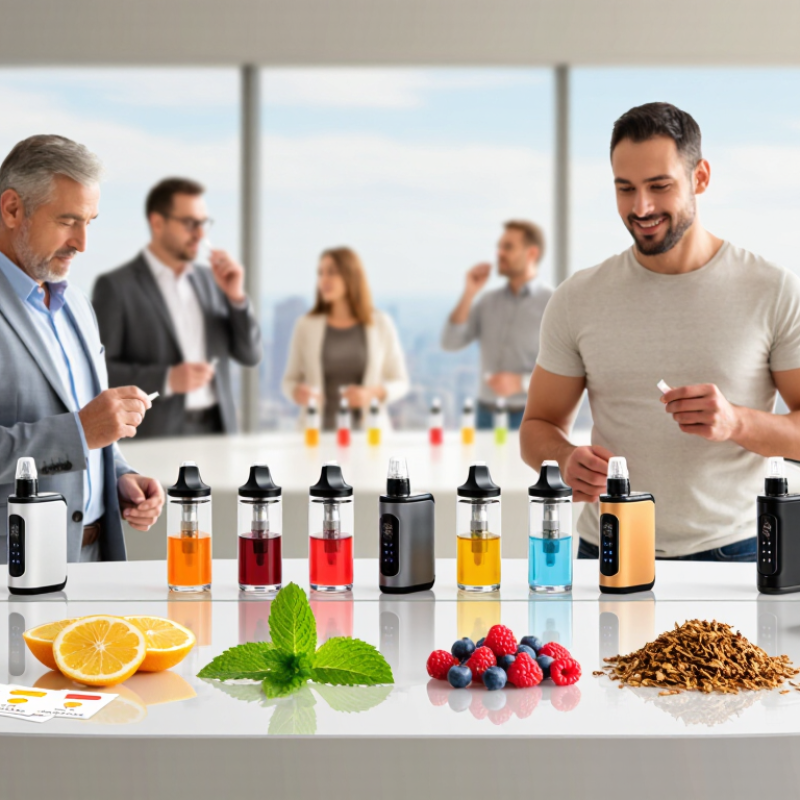
For global buyers, flavor often signals product fit, but surveys must measure it carefully. Researchers ask adult participants to rate flavor alongside price, device design, consistency, and availability. A simple question can hide too much. “Would flavor influence your choice?” may produce polite, abstract answers. Better surveys use purchase scenarios with legally available products and identical prices. Participants can rank attributes or divide a fixed number of points. This reveals real trade-offs.
Reliable studies screen for legal purchasing age and record each respondent’s market. Language matters. “Fresh,” “smooth,” or “familiar” can carry different meanings across regions. Visual flavor descriptions may also influence responses before tasting occurs. Researchers should separate sensory preference from packaging appeal. They can test this by showing neutral descriptions in randomized order. Experience helps here. A pilot survey can expose confusing wording, missing options, or scales that push people toward the middle.
The strongest evidence combines stated preferences with behavior, such as repeat selection in a controlled, lawful retail simulation. Still, behavior is not pure proof. Price, stock levels, social setting, and prior experience can distort results. Surveys should report sample size, recruitment methods, exclusions, and uncertainty ranges. They should not treat one country’s answers as a global rule. I would question any claim that flavor is the single dominant factor. Its influence may change with context, regulation, age, and product familiarity.
| Survey Dimension | What Is Measured | Recommended Question Format | Response Scale or Data Type | Decision Metric | Why It Matters to Global Buyers |
|---|---|---|---|---|---|
| Flavor Importance | The extent to which flavor influences the overall purchase decision. | “How important is flavor when choosing a vape product?” | Five-point scale: Not at all important to Extremely important. | Top-two-box percentage and average importance score. | Shows whether flavor is a core purchase criterion or only a secondary preference. |
| First-Choice Driver | The factor selected as most influential at the time of purchase. | “Which single factor most influenced your latest vape purchase?” | Single choice: Flavor, price, nicotine strength, device design, convenience, availability, or other. | Percentage selecting flavor as the primary driver. | Helps distinguish flavor preference from other commercial and product-performance factors. |
| Flavor Variety | The value consumers place on having multiple flavor choices. | “How important is having a broad flavor range when selecting a product?” | Five-point importance scale. | Importance score by market, age group, and usage frequency. | Identifies whether buyers prefer a focused flavor portfolio or extensive choice. |
| Flavor Category Preference | Consumer preference across broad, non-branded flavor families. | “Which flavor categories are you most likely to purchase?” | Multiple choice: Fruit, mint or menthol, tobacco, beverage, dessert, cooling, or other. | Selection share for each flavor category. | Supports market-level assortment planning without using company or brand data. |
| Taste Satisfaction | How well the actual flavor experience meets consumer expectations. | “How satisfied are you with the taste of your current vape product?” | Five-point satisfaction scale from Very dissatisfied to Very satisfied. | Satisfaction average, top-two-box score, and dissatisfaction rate. | Links flavor quality with product acceptance and possible switching behavior. |
| Flavor Authenticity | Perceived naturalness, accuracy, and consistency of the flavor profile. | “How accurately does the flavor match what you expected from its description?” | Five-point agreement scale. | Agreement percentage and mean authenticity score. | Measures the gap between flavor communication and the consumer’s actual experience. |
| Flavor Consistency | Whether the flavor remains stable between purchases or across usage occasions. | “How consistent is the flavor from one purchase or use to the next?” | Five-point consistency scale. | High-consistency rate and reported flavor variation. | Consistency is relevant to repeat purchase, trust, and quality perception. |
| Purchase Relevance | The relationship between flavor satisfaction and willingness to buy again. | “How likely are you to repurchase a product with your preferred flavor?” | Eleven-point likelihood scale from 0 to 10. | Repurchase intention and relationship with flavor satisfaction. | Quantifies whether flavor preference translates into commercial purchase intent. |
| Switching Intention | The likelihood that consumers will change products because of flavor dissatisfaction or curiosity. | “Have you ever switched products because you wanted a different flavor?” | Yes or no, followed by frequency and reason. | Flavor-driven switching rate. | Reveals whether flavor is a retention factor as well as an acquisition factor. |
| Price–Flavor Trade-Off | How much consumers are willing to compromise on price for a preferred flavor. | “Would you choose your preferred flavor if it cost more than an alternative?” | Choice experiment or price-sensitivity scale. | Preference share at each tested price level. | Shows whether flavor creates measurable willingness to pay. |
| Cross-Market Differences | Variation in flavor preferences and importance across geographic markets. | Ask identical flavor questions in each target country or region. | Country, region, language, and regulatory-market identifiers. | Weighted comparison of flavor importance and category preference. | Prevents global buyers from applying one market’s flavor assumptions to another. |
| Consumer Segmentation | Differences by age-eligible adult status, usage frequency, product format, and purchase channel. | Combine flavor questions with neutral demographic and behavioral screening questions. | Categorical variables and frequency measures; apply privacy-compliant sampling. | Segment-level flavor importance, satisfaction, and repurchase intention. | Identifies which eligible adult consumer groups are most sensitive to flavor-related factors. |
Note: This table presents an evidence-based survey measurement framework. Numeric market results should be populated only with responses from a properly sampled, age-verified, and legally compliant consumer survey.