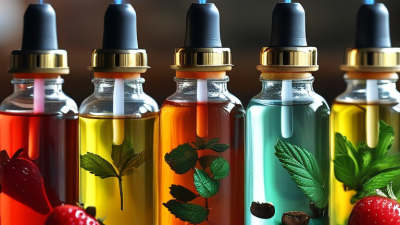
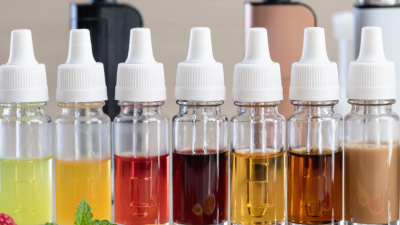
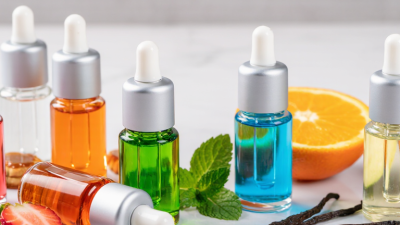
Choosing a Flavour Vape supplier in 2026 calls for more than comparing colourful product lists. Buyers need dependable quality, clear records, and realistic delivery commitments. A polished website helps, but it cannot verify what arrives in each carton. Ask for product specifications, batch identification, and relevant testing records before discussing volume or price.
Details matter. Check whether sample products match the supplier’s written specifications. Compare flavour consistency, packaging, labelling, and manufacturing dates across batches. Ask how the supplier handles complaints, product changes, and delayed shipments. Good answers should be specific, documented, and easy to verify. Vague promises are a warning sign.
The right supplier should also explain its quality controls and provide traceability from production to shipment. Confirm that its products and sales practices meet the requirements of the markets where they will be offered. Requirements can differ, so buyers should verify them with qualified local professionals rather than rely on a supplier’s broad assurances. Request references where possible, and speak with businesses that have worked with the supplier through more than one order.
Price still matters. So does communication. A low quote may become costly if stock varies or delivery dates keep shifting. Some checks take time, and not every supplier will provide perfect evidence. That is worth noting, not ignoring. This guide outlines practical questions for assessing suppliers, comparing samples, and building a more reliable sourcing process.
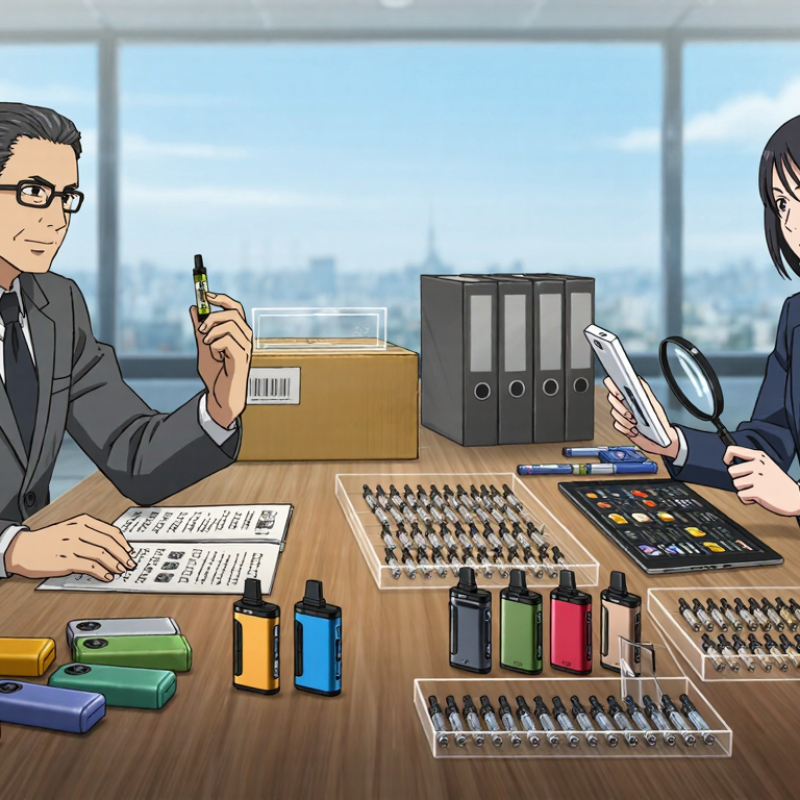
How to Choose Flavour Vape Suppliers in 2026?
Define your flavour and market requirements before comparing suppliers. “Fruit” is too broad: decide whether you need a sharp citrus note, a soft berry profile, or a restrained blend. Write down the intended taste, sweetness, cooling level, and consistency target. Consider the adult audience and sales channel in each market. Preferences can vary, and a flavour popular in one region may not translate elsewhere. Small details matter.
Ask suppliers for clear ingredient information, batch records, and sample procedures. Check whether they can reproduce the same profile across production runs, not just provide one appealing sample. Discuss packaging, storage conditions, and expected lead times, too. Review current market requirements before planning a product range. A supplier’s confident answer is not a substitute for documents. Even a careful brief can miss a preference you only discover during testing.
Tips: Compare samples under the same conditions, using clean equipment and consistent timing. Record aroma, first impression, and aftertaste separately. Keep notes brief but specific. Avoid relying on memory. If feedback conflicts, pause and refine the target rather than asking for endless revisions; that may slow the project, but it can prevent a vague specification from reaching production.

Use local regulatory limits as an initial supplier-screening benchmark, then specify your target flavour profile, ingredients, and product format. The 20 mg/mL figures shown are nicotine concentration ceilings—not flavour approvals. Flavour restrictions and other product rules may differ by market, so verify current requirements before sourcing.
Sources: EU Tobacco Products Directive, Article 20; UK e-cigarette regulations; Canada Nicotine Concentration in Vaping Products Regulations.
In 2026, check whether a flavour vape supplier holds the business and product authorizations required in your destination market. Requirements differ by jurisdiction and may change. Ask for current licence numbers, issuing authorities, expiry dates, and the legal entity covered. Paperwork matters. Verify it directly with the relevant regulator; a polished PDF can still be outdated or belong to another company.
The World Health Organization’s 2023 Report on the Global Tobacco Epidemic documented e-cigarette regulation in at least 121 countries, with approaches varying widely. That variation makes a single “compliant everywhere” claim unreliable. Ask suppliers to explain how they check local rules for flavour ingredients, product descriptions, packaging, and sales channels. Their answers should match the markets you intend to serve, not a generic checklist.
Review supporting records for each product: ingredient lists, safety data sheets, certificates of analysis, and batch-traceability documents. Check that product names and batch numbers match across records. Ask who conducts testing and how often; request recent, legible reports. If the supplier cannot explain a discrepancy, pause the review. I would also record the date and source of every licence check. It is tedious, and easy to forget. That habit gives later audits a clearer paper trail.
| Compliance Dimension | What to Request from the Supplier | How to Verify It | Practical Acceptance Check |
|---|---|---|---|
| Business and manufacturing authorization | Current business registration and any manufacturing, import, or tobacco-product permits required for the supplier’s role and location. | Check the issuing government authority’s registry or contact the authority using independently located contact details. | Legal entity, facility address, permitted activity, and validity dates are consistent across records and documents. |
| United States market authorization | For products intended for the U.S., identify the applicable FDA requirements and provide evidence that each marketed tobacco product has the required FDA marketing authorization. | Search FDA’s official tobacco-product marketing orders and verify that the authorization matches the product and configuration offered. | A supplier’s business license, application receipt, or pending application is not a substitute for an FDA marketing order when one is required. |
| European Union notification and product limits | For nicotine-containing e-cigarettes placed on an EU market, request evidence of the required product notification and technical documentation for that market. | Request submission confirmation and check relevant requirements with the destination country’s competent authority. | Under the EU Tobacco Products Directive, nicotine concentration is limited to 20 mg/ml; cartridges or tanks are limited to 2 ml, and refill containers to 10 ml. |
| United Kingdom notification and product limits | For nicotine-containing products sold in Great Britain or Northern Ireland, request the applicable MHRA notification evidence and product details. | Check the MHRA’s published notified-products information and confirm requirements for the specific UK market. | UK rules include a 20 mg/ml maximum nicotine concentration, a 2 ml tank or cartridge limit, and a 10 ml refill-container limit for covered products. |
| Ingredient and flavour documentation | Request a complete ingredient list, nicotine specification where applicable, safety data sheets, and batch-specific certificates of analysis. | Check that documents identify the exact product, batch, test methods, laboratory, and test date; independently verify laboratory accreditation where relevant. | Do not treat “food-grade” or “natural flavour” claims as proof that an ingredient is permitted or safe for inhalation. Check destination-market rules for flavour and ingredient restrictions. |
| Product notification and market scope | Ask which countries each product is notified or authorized for, who is responsible for placing it on the market, and whether the supplied version matches the submitted version. | Compare product identifiers, nicotine strength, ingredients, device specifications, packaging, and responsible-party details against official records or submission documents. | Approval or notification in one jurisdiction does not automatically authorize sale in another. Confirm every intended destination market. |
| Packaging, warnings, and product presentation | Request current packaging artwork and evidence for required health warnings, nicotine disclosures, child-resistant packaging, and tamper-evident features where applicable. | Review the final retail pack against the rules of each destination market, not just a generic sample or draft label. | Packaging and online product descriptions should not make unauthorized health or cessation claims and must meet applicable local requirements. |
| Batch traceability and quality controls | Request batch codes, manufacturing records, quality-control procedures, complaint handling, and recall procedures. | Ask the supplier to trace a sample batch from raw-material records through testing, production, and distribution. | Records should link each delivered lot to its ingredients, test results, production date, and customer shipments. |
| Ongoing compliance and change control | Request written notice of changes to ingredients, nicotine strength, device design, manufacturing site, or regulatory status. | Compare new product versions with existing documentation and check whether a change requires a fresh notification, assessment, or authorization. | Pause orders when a material change is undocumented or when an authorization, registration, or permit has expired or been withdrawn. |
Note: Requirements depend on product type, nicotine content, supplier role, and destination market. Verify current rules with the relevant regulator before placing an order or selling a product.
When comparing flavour vape suppliers in 2026, ask for more than a polished ingredient list. Request a complete formulation disclosure, including flavouring substances and carrier ingredients, plus batch-specific certificates of analysis. Check whether the laboratory is independent and accredited to ISO/IEC 17025. The test scope matters: a liquid-only screen cannot show what appears in the aerosol after heating. Ask for methods, detection limits, sample dates, and batch numbers. Can the supplier trace a test result to the bottle in your hand? A paperwork gap is a real signal.
Published evidence makes these questions practical. Allen and colleagues reported in Environmental Health Perspectives that diacetyl appeared in 39 of 51 tested flavoured e-cigarette liquids; 2,3-pentanedione appeared in 23. The 2016 study is not a picture of every product sold today. Still, it shows why a vague “food-grade” claim is not enough. Ask suppliers to disclose test results for relevant flavour chemicals and aerosol emissions, not just general quality statements. Compare the reported results with the actual product batch. Some suppliers may not provide every detail immediately. Treat that as a point to verify, not a reason to guess.
When choosing flavour vape suppliers in 2026, compare usable range, landed cost, and delivery terms—not just catalogue size. Ask for current flavour lists, sample sizes, ingredient specifications, and batch documentation. A broad menu is useful only if stock is consistent. Request quotes at the same order volume, then compare unit price, minimum order, packaging, freight, and any applicable import charges. Cheap can become costly. UNCTAD’s Review of Maritime Transport 2024 reported that container shipping rates rose about 150% between October 2023 and June 2024. Freight volatility makes a delivered-price quote more useful than a product-only price.
Check lead times against your actual replenishment cycle. Ask whether quoted dates mean dispatch or arrival, and how delays, damaged cartons, and back orders are handled. Confirm the shipping terms in writing, including who arranges transport and when responsibility transfers. Request recent delivery records or references where available. A spreadsheet can still mislead: a supplier may list attractive prices but have limited availability on the flavours you reorder most. Compare two or three common items across suppliers, then check the full landed cost.
Tips: Order samples before committing to a large quantity. Record each sample’s flavour, batch, quoted price, and delivery date. Recheck the quote before payment; freight and availability can change. Keep written specifications and delivery promises with the purchase record.
How to Choose Flavour Vape Suppliers in 2026?
Evaluate Samples and Confirm Supplier Reliability
A polished sample can impress, but repeatability matters more. Request samples from multiple production batches, then compare aroma, consistency, packaging, and batch records. Check that product descriptions match the supplied documentation. Ask how the supplier handles deviations, returns, and quality complaints. A useful test is simple: can they trace a sample to its production lot without delay? Grand View Research valued the global e-cigarette and vape market at USD 26.7 billion in 2023 and forecast 30.6% annual growth from 2024 to 2030. Rapid expansion makes careful supplier checks more important, not less.
Tips: Test samples under the same conditions and record the batch number, date, and observations. Request current quality certificates, independent test reports, and written manufacturing controls. Verify report dates and issuing laboratories; a certificate alone does not prove every batch meets specifications. Ask for references and confirm the supplier’s facility and contact details. Keep a small sample for later comparison. It’s easy to overlook that step.
One caveat: a pleasant first impression is subjective, and a neat document can still leave gaps. Recheck key claims directly with the testing laboratory when possible. If answers are vague, delayed, or inconsistent, pause before placing a larger order. Reliable suppliers should welcome specific questions and provide records that can be independently reviewed.