What Are E Liquid Flavors and How to Choose Them?
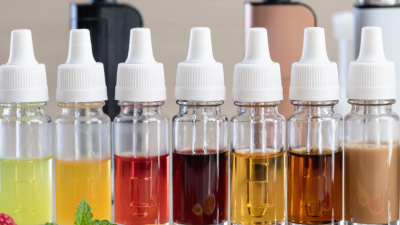
E Liquid Flavors shape the aroma and taste of a product, from cool mint to warm vanilla or bright citrus. Yet a flavor name is only a starting point. Ingredients, nicotine concentration, product quality, and personal sensitivity also matter. A familiar label may not taste familiar in every product. Small differences can be noticeable.
Reliable data helps keep flavor discussions grounded. The CDC and FDA’s 2024 National Youth Tobacco Survey reported that 5.9% of U.S. middle and high school students currently used e-cigarettes. That figure concerns young people, not adult flavor preferences. Still, it shows why responsible product choices and clear information matter. FDA tobacco-control expert Mitch Zeller stated, “The role that flavors play in attracting kids to tobacco products is clear and troubling.” His warning is a useful reminder: appealing taste should never be confused with safety.
This guide explains what E Liquid Flavors are and how adults can compare them thoughtfully. Check ingredient disclosures and nicotine information, and consider sensitivities before choosing. Notice whether a profile sounds sweet, cooling, fruity, or tobacco-like. Then compare those descriptions with your own preferences, rather than assuming marketing terms are standardized. One caveat: labels cannot tell the whole story. This overview draws on public-health reporting and practical product-literacy principles, while recognizing that flavor descriptions and individual experiences vary.

What E-Liquid Flavors Are: Flavorings, PG/VG, and Nicotine
E-liquid flavor comes from added flavoring compounds mixed into a liquid base. Fruit, mint, dessert, and drink-like profiles can taste quite different after heating. The ingredient list matters more than a flavor name. Flavorings designed for food are not automatically proven safe to inhale. That distinction is easy to miss. Look for clear ingredient and strength information, and avoid products with vague labeling. Even then, labels cannot tell you exactly how a flavor will feel or taste in your device.
The base usually contains propylene glycol (PG), vegetable glycerin (VG), or both. PG is thinner and can carry flavor clearly; VG is thicker and often produces denser aerosol. Small details matter. A very thick liquid may not suit every device, so follow the device maker’s instructions. Nicotine may also be included at different strengths, or omitted. Nicotine is addictive. Check the stated concentration rather than guessing from taste, since flavor does not reliably indicate strength. Keep nicotine-containing liquids away from children and pets, and follow the product’s storage directions. It is tempting to choose by flavor alone, but PG/VG balance and nicotine content deserve the same attention. Some preferences change over time, and that is worth noticing.
What Are E-Liquid Flavors and How Do You Choose Them?
E-liquid flavorings create the taste, while propylene glycol (PG) and vegetable glycerin (VG) form the liquid base. The chart shows common example PG/VG blend ratios; actual formulations vary, and flavorings or other ingredients may affect the final composition. PG can carry flavor and provide a stronger throat sensation, while VG is thicker and can produce denser vapor. Nicotine concentration is a separate choice and is not shown here. Check product labeling and choose only products appropriate for your age and local laws.
Which Flavor Families Are Available: Tobacco, Fruit, Mint, and Dessert
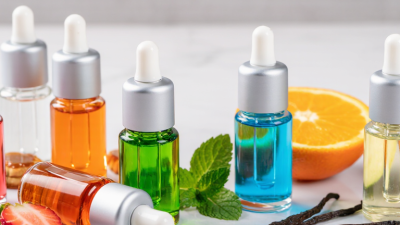
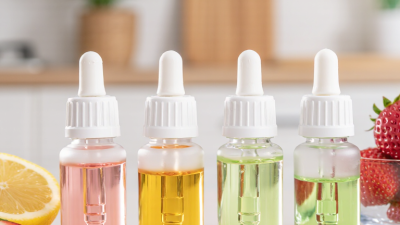
E-liquid flavors generally fall into four broad families: tobacco, fruit, mint, and dessert. Tobacco profiles may suggest dry leaves, toasted notes, or gentle sweetness. Fruit options range from crisp apple and citrus to ripe berries. Mint flavors can feel cool and sharp, while dessert blends often recall vanilla, custard, or baked pastry. Flavor names are clues, not guarantees.
Think about the tastes you already enjoy, then read the full description rather than relying on a single word. A fruit blend may lean tart, like green apple, or taste more like sweet jam. Mint can soften another flavor or dominate it. Dessert profiles may seem rich at first, but sweetness can become tiring over time. Taste is personal. Small differences matter.
Check the product’s ingredient and nicotine information, and follow its use instructions; flavor alone says nothing about safety. If sampling options is available, compare one family at a time and note what feels too sweet, sharp, or faint. That can surprise you. Descriptions are imperfect, too: “tobacco” may not resemble a familiar leaf, and “mint” does not always mean menthol. A simple note on what you liked can make your next choice more considered.
How PG/VG Ratios Affect Flavor Delivery and Throat Sensation
PG/VG ratios shape how an e-liquid flavor feels, not just how it tastes. PG is thinner and carries flavorings efficiently, so fruit or mint notes may seem clearer. It can also produce a more noticeable throat sensation. Some describe that as a gentle catch; others find it sharp. It varies.
VG is thicker and often gives a smoother inhale with denser vapor. Its softness can round off crisp or delicate flavors, though the effect depends on the recipe and device. A sweet custard may feel fuller, while a light citrus note can seem less distinct. Small changes matter.
For a useful comparison, keep the flavor and device the same while trying different ratios. Check the device’s instructions, since thicker liquids may not work well with every coil or wick. Take a few measured puffs, then note flavor clarity and throat feel; don’t rely on memory alone. One detail is easy to miss: airflow and coil condition can change the result, so a ratio is not a flavor guarantee. If PG seems irritating, stop using that liquid and seek appropriate health advice.
How to Check Nicotine Labels: EU TPD Caps Nicotine at 20 mg/mL
When checking an e-liquid label, look for nicotine concentration in milligrams per millilitre, written as mg/mL. Under the EU Tobacco Products Directive, nicotine-containing e-liquids placed on the EU market are capped at 20 mg/mL. That figure describes concentration, not the total nicotine in the bottle.
A 10 mL bottle labelled 20 mg/mL contains 200 mg of nicotine in total. The distinction is easy to miss.
Read the whole label, not just the large strength number. Check that the concentration is stated clearly, and look for ingredient information, nicotine warnings, and details identifying the product and its responsible supplier.
Small print can be hard to read. Use good light. If the label uses only a percentage, or gives no clear mg/mL figure, do not guess at the conversion; confirm the meaning through an official EU or national regulator source.
A label showing more than 20 mg/mL does not match the EU cap for products covered by the directive, so pause before relying on it.
Rules and enforcement details can differ by country and may change. I’d recheck current official guidance rather than trust an old photo, marketplace description, or informal recommendation.
How to Choose a Flavor: Compare Ingredients, Strength, and Sensitivity
Choosing an e-liquid flavor starts with the ingredient label, not the name on the bottle. Check whether it lists propylene glycol (PG), vegetable glycerin (VG), flavorings, and nicotine, if present. Flavor names can sound precise, but they do not explain every ingredient. That part is easy to overlook.
Compare nicotine strength carefully. Labels may show milligrams per milliliter or a percentage, so confirm the units before comparing products. Nicotine is addictive, and a higher concentration is not simply a stronger flavor. If the label is unclear, choose not to guess. Ask a qualified retailer or health professional for clarification.
Sensitivity matters, too. Some people report irritation from PG or particular flavorings, while others notice no issue. A smooth taste does not prove that a liquid will suit you. If you experience throat discomfort, coughing, or another unexpected reaction, stop using it and seek medical advice if symptoms persist. Keep a brief note of the ingredients and strength you tried; it may help identify a pattern. I would not treat “natural” wording as a safety guarantee. It can be tempting to rely on that shortcut, but the full ingredient list is more useful.