How to Choose the Best E Liquid Flavoring?

Choosing the best E Liquid Flavoring is less about chasing the loudest aroma and more about finding a profile that stays clear, balanced, and consistent. A ripe strawberry note may smell bright in the bottle, yet taste candy-like or flat when used. Start with a flavor family you already enjoy, then consider its sweetness, strength, and how well its notes fit together. Small differences matter. A little.

Dr. Konstantinos Farsalinos, a researcher who has studied e-cigarette liquids, has emphasized a point worth keeping in mind: ingredients considered safe to eat are not automatically proven safe to inhale. That is a caution drawn from his research, not a guarantee about any particular product. Check ingredient information, manufacturer transparency, and quality-control details; do not rely on aroma or marketing claims alone. If the information is vague, pause. Sensitivity varies, too, and a flavor that seems mild to one person may feel overpowering to another.

This guide will compare flavor families, explain how sweetness and intensity shape perception, and outline practical checks for evaluating product information. It will also look at common selection mistakes, such as choosing solely by scent or assuming a familiar food flavor will feel identical in another format. There is no universal best choice. Personal preference matters, but so do clear labeling and careful judgment. And sometimes the honest answer is simple: more testing is needed.
How to Choose the Best E Liquid Flavoring?

Understand the Types of E-Liquid Flavorings

How to Choose the Best E Liquid Flavoring?
Understand the Types of E-Liquid Flavorings

Compare flavor profiles before trusting product names. Fruit options may focus on one note, like citrus, or blend several fruits. Dessert and bakery profiles suggest vanilla, custard, or pastry. Beverage flavors may echo coffee or tea. Mint and cooling profiles feel sharper, while tobacco-style profiles tend to be earthy or dry. Names are not standardized, so two similar labels can taste quite different. Keep that in mind.

A 2014 Tobacco Control study counted 7,764 distinct e-cigarette flavor names across 466 brands listed online. That historical count shows how broad the naming landscape was; it does not measure today’s market or prove that one category is better. When comparing options, check the ingredient details and whether the flavor is a single note or a blend. Simple descriptions are often easier to evaluate.

Flavor is only one part of a careful choice. The National Academies’ 2018 review noted that evidence was limited on the inhalation effects of many flavoring ingredients. A substance used to flavor food is not automatically established as suitable for inhalation. There is a catch. I would treat vague labels and unusually elaborate flavor claims cautiously, and look for clear ingredient information instead.

How to Choose the Best E Liquid Flavoring? - Understand the Types of E-Liquid Flavorings
Flavor Type Common Flavor Profiles Typical Sensory Character What to Consider When Choosing
Fruit Citrus, berries, apple, stone fruit, and tropical fruit Can range from tart and crisp to sweet and ripe, depending on the profile. Look for a clearly described fruit profile; consider whether you prefer tart, sweet, or mixed-fruit notes.
Menthol and mint Peppermint, spearmint, menthol, and mint blends Mint can taste herbal or sweet; menthol adds a cooling sensation. Check whether the description indicates mint flavor, a cooling effect, or both, and how pronounced the cooling is.
Tobacco-inspired Dry, woody, earthy, nutty, or lightly sweet profiles Often designed to evoke familiar tobacco notes; the taste varies by blend. Read the tasting description carefully, since “tobacco-inspired” does not specify one consistent flavor.
Dessert and bakery Custard, vanilla, pastry, cake, chocolate, and caramel-style profiles Typically suggests creamy, baked, or sweet notes; some blends are richer than others. Consider whether you enjoy rich or sweet flavors, and check for other notes such as fruit, spice, or cream.
Beverage-inspired Coffee, tea, cola-style, and fruit-drink profiles May emphasize roasted, bitter, herbal, sweet, or tangy notes. Choose by the specific drink notes listed rather than assuming the flavor will match a real beverage exactly.
Single-note and blended flavors A distinct main flavor, or a combination such as fruit and mint or pastry and cream Single-note profiles are more focused; blends can have several complementary or contrasting notes. If you are unsure what you like, start with a clearly described profile and check the full ingredient and product information.

Safety note: Flavor descriptions do not establish that an ingredient is safe to inhale. Food-grade status does not mean a flavoring is safe for inhalation. Use only products intended for the relevant vaping device, follow applicable local regulations, and review product safety information.
Identify Your Preferred Flavor Profiles

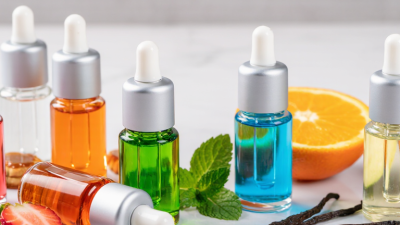
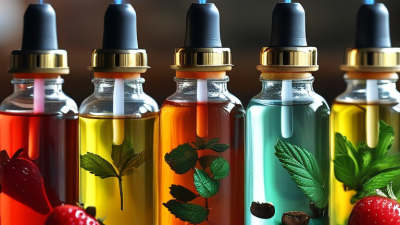
Choosing an e-liquid flavor starts with noticing what you already enjoy. Think about familiar tastes: fresh citrus, ripe berries, cool mint, or warm vanilla. Do you prefer sharp and bright, or soft and sweet? Small details matter. A tart apple note can feel very different from a candy-like apple flavor. Flavor descriptions are useful, but they cannot fully predict how a blend will taste to you.

Try grouping flavors by profile rather than choosing from a long list. Fruit blends may be juicy, tart, or floral; dessert profiles can suggest cream, pastry, or caramel. Menthol-style flavors often add a cooling sensation, which may dominate delicate notes. Read the ingredient and product information carefully, especially if you have known sensitivities. Do not assume that a flavor made for food is suitable for inhalation. It is easy to overlook that distinction.

Keep your expectations flexible. Taste can seem different after a meal, with a stuffy nose, or when switching between contrasting flavors. A flavor that sounds appealing may feel too sweet after repeated use. That is useful feedback, not a failure. If trying products, follow their instructions and choose only items from reliable sources. Take time to compare descriptions and note which qualities you actually enjoy, rather than relying on a flavor name alone.

Compare Flavor Strength and Device Compatibility

Flavor strength is not a fixed number. A concentrate that smells bold in the bottle may taste faint after dilution, or harsh when heated. Check the product’s stated dilution guidance and intended use; do not judge strength by scent alone. Small changes matter.

Device compatibility affects what reaches the palate. Check the liquid’s viscosity guidance against the device instructions, then confirm the coil or pod is designed for that type of liquid. A mismatch can cause poor wicking, dry or muted taste, and uneven heating.

The National Academies’ 2018 report, Public Health Consequences of E-Cigarettes, notes that aerosol emissions vary with device characteristics, e-liquid composition, and operating conditions. Talih and colleagues’ 2015 laboratory study tested devices at 3.3, 4.0, and 4.8 volts and found that nicotine yield increased with voltage. That study measured nicotine, not flavor, so it is a useful warning about output variation, not a flavor ranking.

Compare samples only under consistent conditions: same device, coil type, power setting, and waiting time after filling. Keep notes on aroma, sweetness, and how quickly the flavor fades. Fit comes first. Personal taste still varies, and I would treat any single tasting as provisional.

Check Ingredient Quality and Relevant Regulations

How to Choose the Best E Liquid Flavoring?

Check the ingredient list before judging a flavor by its name or scent. Look for clearly identified flavor compounds, carrier liquids, and batch details; vague “proprietary blend” wording makes comparison difficult. Ask whether the supplier provides a current certificate of analysis and safety data sheet. Check that these documents match the product’s lot, not just a sample from another batch. A clear bottle and a sweet smell prove very little.

Food-grade does not automatically mean suitable for inhalation. FEMA’s guidance on flavoring ingredients explains that its GRAS assessments apply to food use, not vaping. That distinction matters. The National Academies’ 2018 review, Public Health Consequences of E-Cigarettes, found that aerosols can contain potentially harmful substances, including flavoring chemicals. A flavor ingredient’s safety depends on how it is used and inhaled; the label alone cannot establish that. I still find supplier documents uneven, and that deserves scrutiny.

Regulations differ by country and can change. In the United States, FDA requirements include ingredient reporting for covered tobacco products; other jurisdictions may require advance notification or additional product information. Check the current rules where the product will be sold, and verify that the supplier’s records and labels meet them. Do not rely on “compliant” as an unsupported claim. A careful check takes time.

Test Small Samples and Adjust Your Selection

Choosing a flavor from a description alone is guesswork. Start with the smallest sample available, and test one option at a time. Use the same device and settings for each trial, since heat can change how sweetness or sharpness comes through. Keep sessions brief. Pause between samples, drink water, and record the first impression, aftertaste, and intensity on a simple scale from one to five. A paper notebook works better than memory.

Give each flavor a fair, repeatable test. Try it at different times, but avoid testing several strong profiles back-to-back; lingering aromas can blur your judgment. When comparing blends, change only one element at a time and make adjustments in small steps. A flavor that seems weak may become clearer after a short rest, though results vary by product and device. Notes can still mislead you, so treat them as clues rather than proof. Check the product instructions, and use only flavorings intended for e-liquid; food-safe does not automatically mean suitable for inhalation. Stop if a sample causes irritation or discomfort.

How to Choose the Best E-Liquid Flavoring: Test Small Samples and Adjust

Compare small test batches using a controlled concentration ladder. The percentages below are example test steps, not a universal recipe; stay within the flavoring manufacturer’s recommended range.

How to use it: Prepare and label small samples, changing only the flavoring concentration between batches. Evaluate each sample consistently for flavor clarity, balance, and aftertaste, then adjust gradually based on your notes.